

Title IX Attorney in Syracuse, NY
A Title IX attorney protects students accused of sexual misconduct in a college disciplinary case, from the first notice through the hearing and appeal. Cambareri & Brenneck, PLLC is a Syracuse, NY criminal defense firm founded by former Onondaga County prosecutors. We help New York students. Call 315-424-8326 for a free consultation.
Message Your Team
IN THE NEWS






A Title IX Defense Attorney Who Knows How These Cases Are Built
You got the email from your school’s Title IX office. What you do in the next few days matters.
A Title IX case is not a criminal case, but it can cost you just as much. A finding of responsibility can mean suspension, expulsion, a permanent note on your transcript and a lost scholarship. In New York, a suspension or expulsion for certain conduct must be noted on your transcript. Graduate schools, law and medical schools, the military and many employers ask about school discipline.
The school process also moves fast and plays by its own rules. The standard of proof is usually lower than in court. You may be asked to give a statement within days. And anything you say to an investigator can end up with the police or the Onondaga County District Attorney’s Office.
That is why the first call matters. A Title IX lawyer can tell you whether to give a statement, help you gather evidence while it still exists, and prepare you for questions before your interview. At the hearing, your advisor can cross-examine witnesses for you.
Melissa K. Swartz leads our Title IX and university discipline work. She is a former Onondaga County prosecutor who now handles trial, appellate and post-conviction defense in state and federal court. She has represented students in Syracuse University disciplinary cases, including four students who were exonerated. Because our team is made up of former prosecutors, we can also protect you if police or prosecutors get involved.
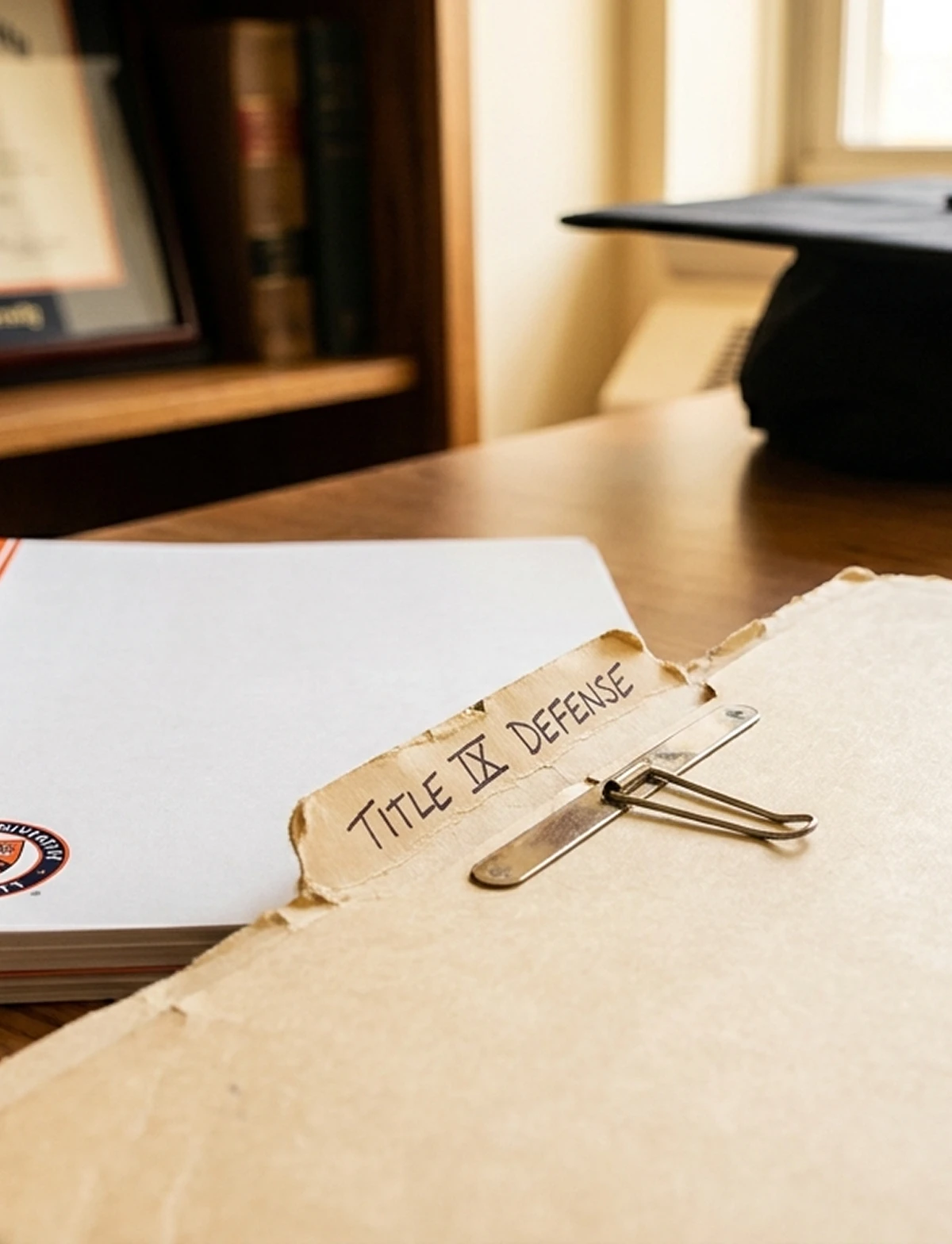
Got a Title IX notice? Do these five things now
01
Read the notice and write down every deadline.
02
Don’t contact the person who complained.
03
Don’t meet with the investigator, campus police or city police until you have talked to a lawyer. You can ask the school to reschedule. (Read more: why speaking to police without a lawyer is risky.)
04
Save everything
Keep texts, DMs, Snapchat and Instagram messages, photos, ride-share receipts, card swipes and the names of people who saw you that night. Don’t delete anything, even if it looks bad.
05
Call 315-424-8326 for a free, confidential consultation. Parents are welcome to join with the student’s permission.
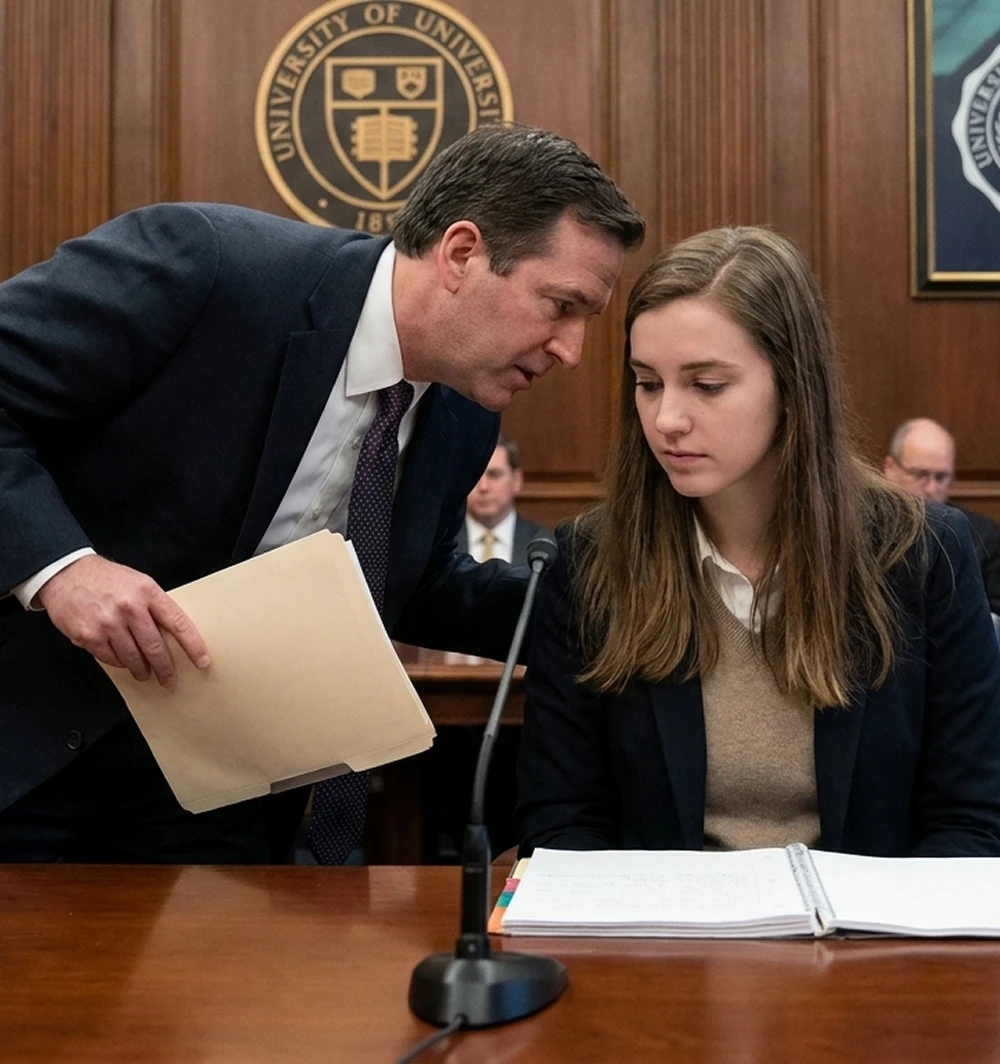
Can I have a lawyer in a Title IX case?
What does a Title IX case cover?
How is a Title IX hearing different from a criminal trial?
Do New York's rules add anything?
How Our Title IX Defense Lawyer Builds Your Case
The notice. Does it give enough detail to respond? Vague notices can be challenged before the investigation goes further.
Jurisdiction. Did the conduct happen in the school’s program or activity, in the United States? If not, it may fall outside Title IX, though the school’s own code may still apply.
Your evidence, gathered early. Messages, location data, video, card swipes and witnesses who saw you before and after. Evidence disappears quickly on campus.
Consent and incapacity. Many cases turn on whether consent was given and whether someone was incapacitated. We test what each witness actually saw against New York’s affirmative-consent definition.
The evidence file and the report. You have the right to review the evidence and respond to the investigative report, usually within 10 days each. We write responses that point out gaps and bias.
Cross-examination. At the hearing, we prepare and, where the school allows, conduct cross-examination to test credibility and timelines.
Conflicts of interest and bias. Investigators and decision-makers must be trained and free of bias. We document problems for appeal.
The criminal side. If police are involved, we decide with you whether to testify at all, so a school statement doesn’t become evidence in a criminal case.
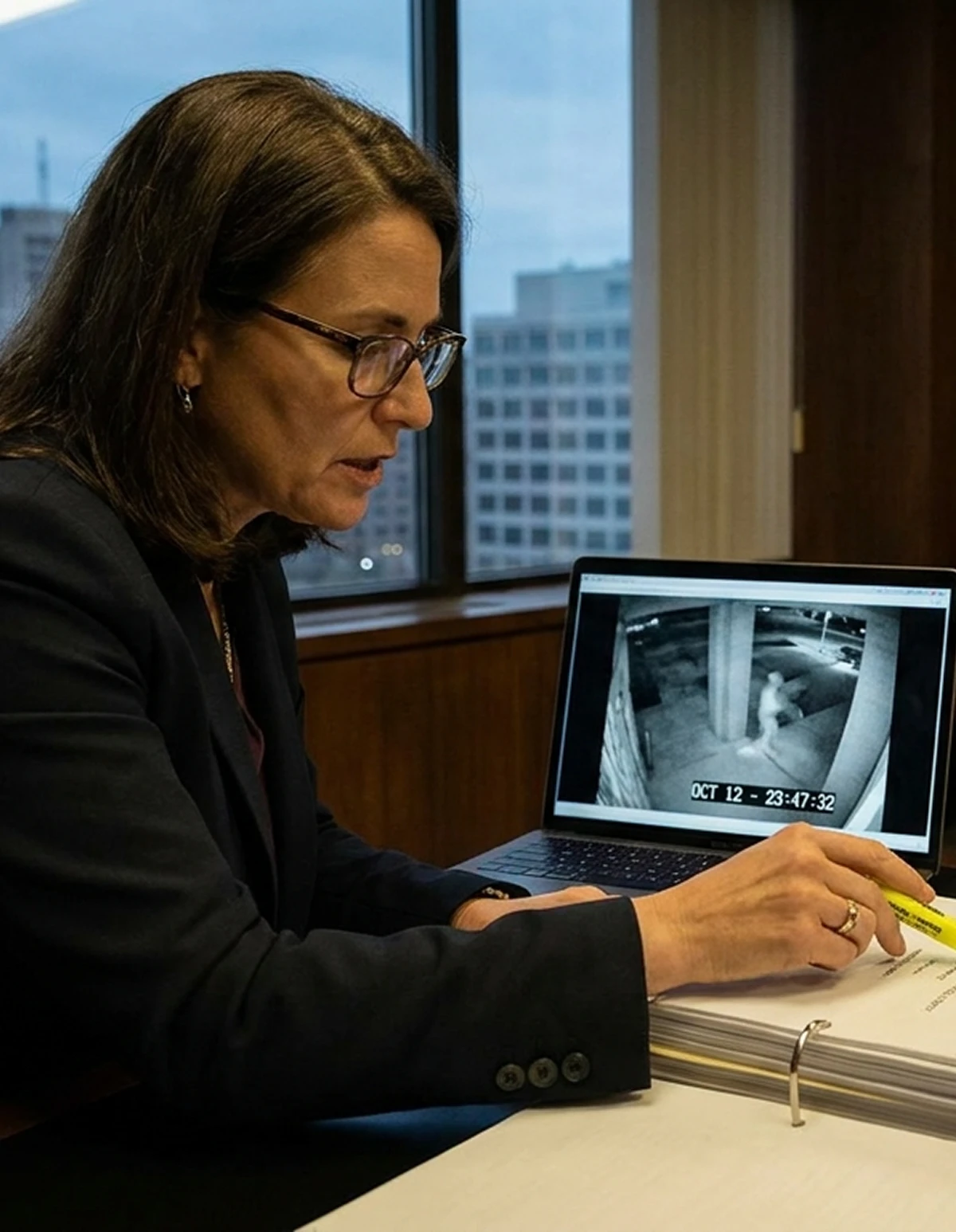
Title IX and University Discipline Sanctions: What's at Stake
| Sanction | What it means | How long it can follow you |
|---|---|---|
| Warning or reprimand | A written finding in your conduct file | Usually internal; may need to be disclosed on some applications |
| Disciplinary probation | Conditions for a set time; any new violation can lead to suspension | Through the probation period |
| No-contact order | You may not contact the other student, directly or through others | Often for the rest of your time at school |
| Housing removal / campus ban | Loss of on-campus housing or access to buildings, events or the whole campus | Set by the school |
| Loss of athletics, scholarship or leadership roles | Removal from a team, Greek life, student government or a funded program | Can be permanent |
| Suspension | Removal from school for a set time; credits and tuition may be lost | NY transcript notation for some conduct; can be removed no sooner than one year after the suspension ends |
| Expulsion | Permanent removal from the school | NY transcript notation for some conduct that cannot be removed |
| Degree withheld or revoked | The school withholds or takes back a degree | Permanent |
In New York, a student who withdraws while conduct charges are pending for certain conduct may also get a transcript notation. Sources: 20 U.S.C. §1681; 34 C.F.R. Part 106; NY Education Law Article 129-B . This table is general information, not legal advice about your case.
Title IX Defense for Every Kind of Campus Case
Sexual misconduct and sexual assault allegations
The most serious campus cases. They often depend on consent, alcohol and memory, and they may also be reported to police. A title IX sexual misconduct defense attorney has to handle the school case without hurting you in a possible criminal case. If you have been charged with a crime, see our sex crimes defense page.
Dating violence, domestic violence and stalking
These are covered by the federal rule and by most student codes. They often come with a no-contact order, and sometimes with an order of protection from a court. If you are accused of violating a court order, read about criminal contempt defense.
Sexual harassment and online conduct
Student-athletes and scholarship students
Fraternities, sororities and student organizations
Interim suspension and emergency removal
Code of conduct cases outside Title IX
Hearing date set?
How a Title IX Investigation Works at Syracuse-Area Colleges
01
Report and formal complaint
02
Written notice to you
03
Supportive and interim measures
04
Investigation
05
Evidence review.
06
07
Live hearing.
08
Written decision and appeal.
09
When police get involved at the same time
A campus report can also go to Syracuse University’s Department of Public Safety, the Syracuse Police Department, the Onondaga County Sheriff or State Police. A criminal case moves on its own track, with its own judge and prosecutor. In the City of Syracuse, an arrest is usually arraigned in Syracuse City Court, and felony cases go to Onondaga County Court. What you say in the school case can be used in the criminal case. Our former prosecutors plan both cases together so one doesn’t hurt the other. (Related: what to do after a criminal arrest in Syracuse.)
Collateral Consequences of a Title IX Finding
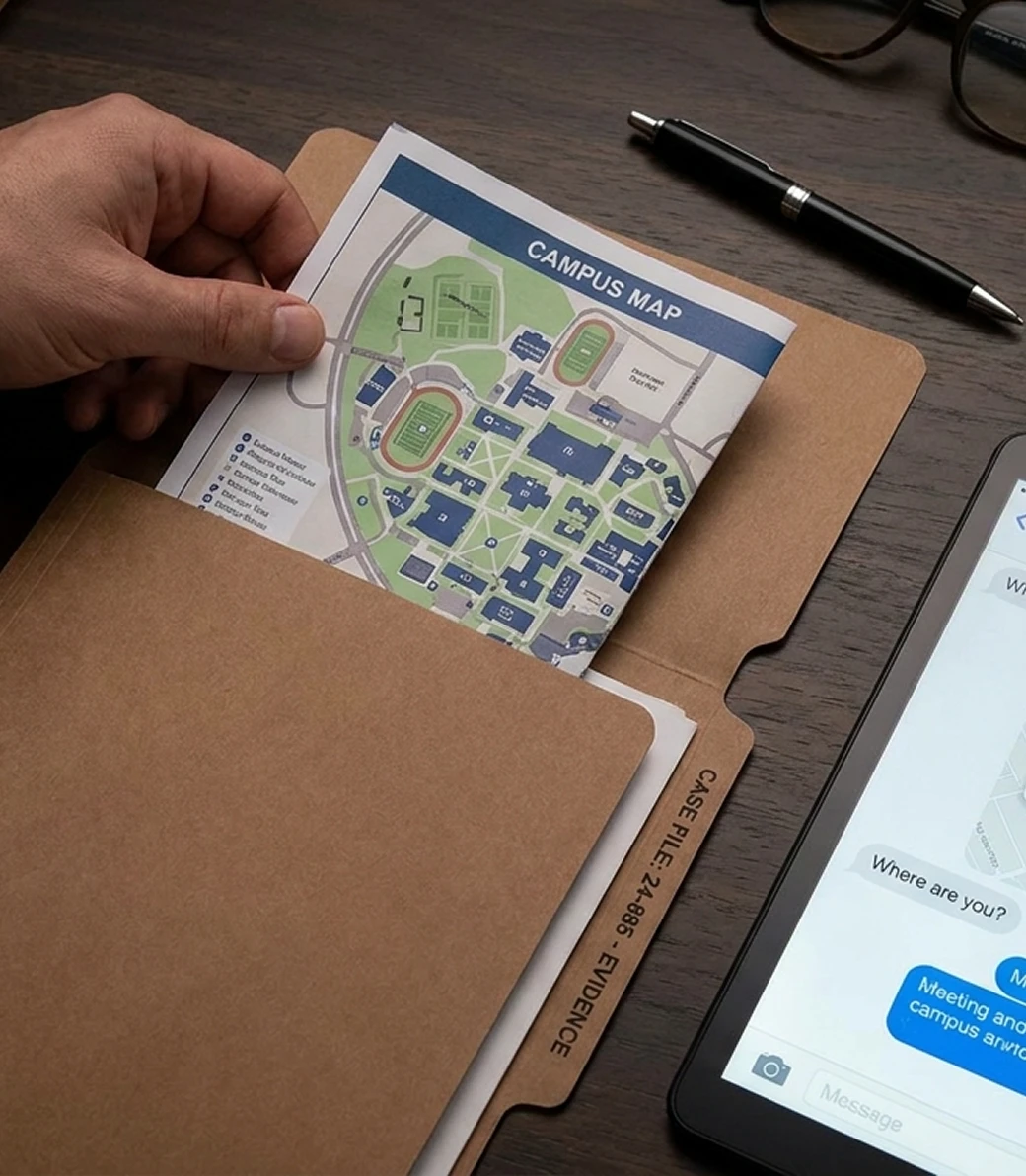
Transfer and graduate school
Your transcript.
Jobs and licenses.
International students.
Athletics and money
A criminal case
Statements, evidence and findings can surface in a parallel criminal case. If you were charged, see our sex crimes defense page.
Your name online.
Title IX and University Discipline Results
Syracuse University v. Alpha Chi Rho
LeQuint Allen v. Syracuse University
Broadwater exoneration
MEET THE TEAM
Meet Our Title IX Attorneys

Melissa K. Swartz
Attorney
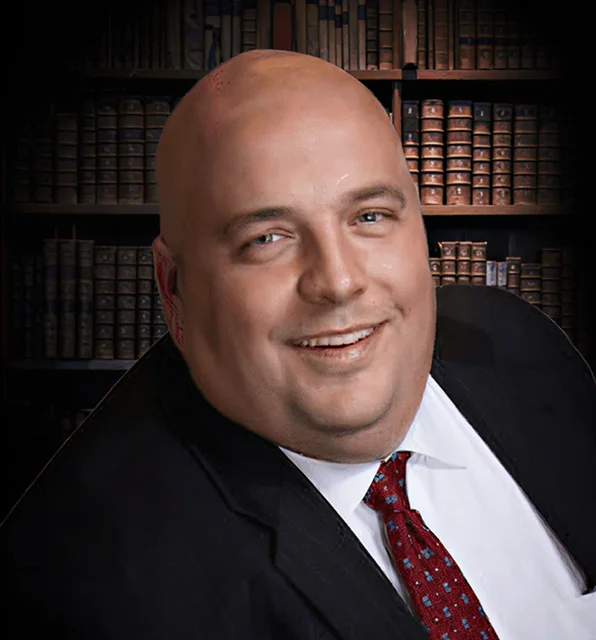
Scott A. Brenneck
Partner, Attorney
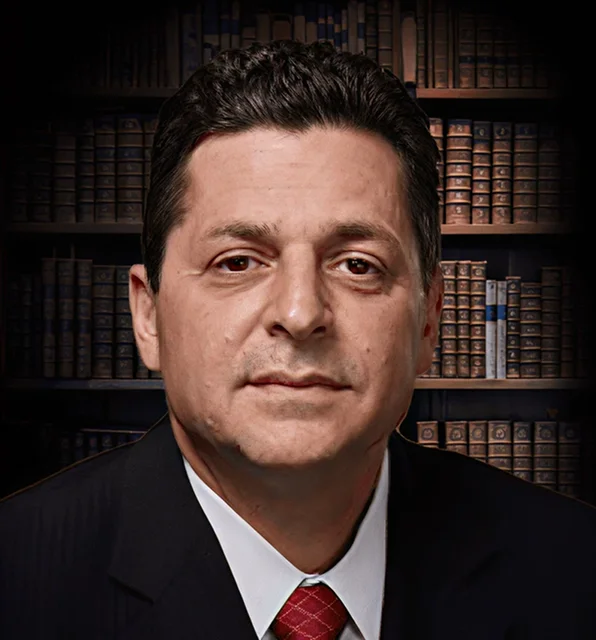
Steve Cambareri
Partner
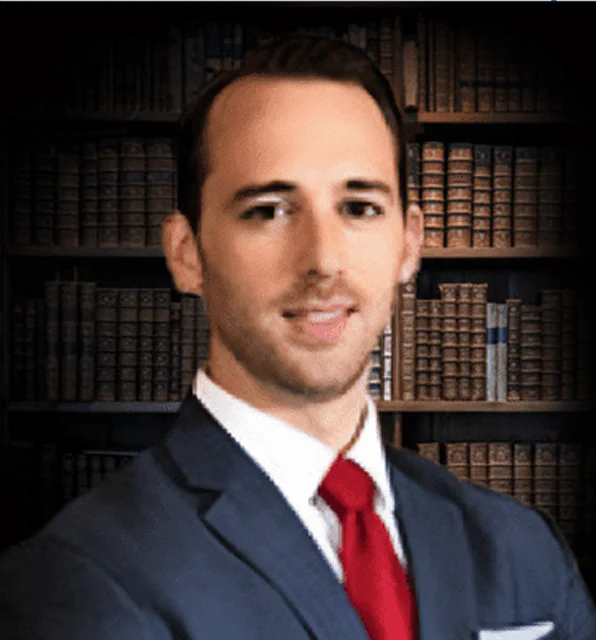
Joe Centra, Esq.
Attorney
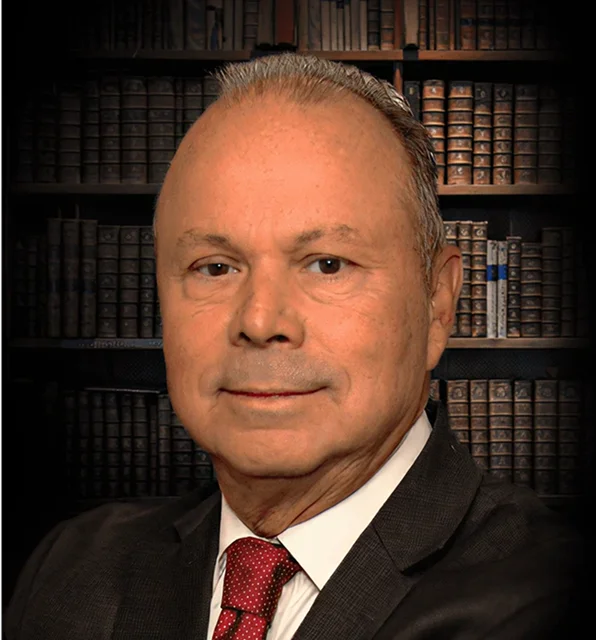
Hon. John V. Centra (Ret.)
Special Counsel
Retired Appellate Division justice, now leading firm mediation.
WHY CHOOSE US
Why Students Choose Our Title IX Defense Attorney
Real Syracuse University Results
Our attorney has represented students in SU disciplinary cases and in an Article 78 case against the university.
Former Prosecutors on Your Side
If police get involved, we protect you in the criminal case and the school case at the same time.
Federal and New York Rules
We know the 2020 federal rule and New York's Article 129-B, and we hold schools to both.
Free, Confidential Consultation
Call 315-424-8326 or send a message. Bring your notice and your school's policy.
AREAS WE SERVE
itle IX Defense in Syracuse & Across New York
Syracuse, NY
Onondaga County towns
Oswego (Oswego County)
New York State
FAQS
Title IX Attorney FAQs

Should I get a lawyer for a Title IX investigation?
Can a lawyer attend my Title IX hearing in New York?
What standard of proof do schools use in Title IX cases?
How long does a Title IX investigation take?
Should I talk to the Title IX investigator before I have a lawyer?
Can a Title IX accusation lead to criminal charges in New York?
Will a Title IX finding go on my transcript?
Can I appeal a Title IX decision?
Which Title IX rules apply in 2026?
How serious is a Title IX violation?
Very serious. A finding of responsibility can lead to suspension, expulsion, a transcript notation, a lost scholarship or a withheld degree. It can also affect transfers, graduate school, licenses and jobs, and the same facts can lead to criminal charges. Treat a Title IX notice like a criminal charge and call Cambareri & Brenneck at 315-424-8326.
Reviewed by Melissa K. Swartz, former Onondaga County Assistant District Attorney. Last updated October 2026
CONTACT US
Free Confidential Consultation
Facing a Title IX or university discipline case? Tell us your school and any deadline in your notice. A member of our team will get back to you quickly. You can also call 315-424-8326.
Phone Number
Locations