Your New York State Appeal Attorneys

A criminal conviction can have a catastrophic lifetime impact. Cambareri & Brenneck, your criminal defense team, can help.


Message Your Team
OUR NATIONAL RECOGNITION
Melissa K. Swartz

Challenging Wrongful Convictions

Melissa K. Swartz, Award-Winning New York Criminal Appeals Lawyer


Being convicted does not mean the system was right. If your trial was unfair or your conviction was unlawful, you deserve another chance. Melissa Swartz represents clients across New York in serious criminal appeals and works to correct wrongful convictions.

Trusted in Cases That Matter

Melissa has handled appeals featured by Dateline, People Magazine, and the Los Angeles Times.

She prepares relentlessly. She challenges convictions strategically. And she stands with her clients until the work is done.

Experienced Appellate Attorneys

Trust former prosecutors to handle your appeals case.
Blue police lights flashing on a vehicle, symbolizing legal matters for a Sex Crimes Attorney in Syracuse.

Can I Appeal My Case?

Consulting with an attorney who has extensive experience in New York appeals is crucial to determine the viability of an appeal. In many instances, you have the right to appeal your case if you believe there were legal errors that affected the outcome. Whether you can appeal depends on the specifics of your case, including the nature of the decision and the court that issued it.

What is a Notice of Appeal?

An appeal begins by filing a notice of appeal with the court that issued the decision.
Explore your legal options with an experienced and knowledgeable former prosecutor before a plea deal is entered. We take all situations into consideration to get you the best results.

What is an Appeal?

An appeal is essentially asking a higher court to review a decision made by a lower court. There are many ways to do that. Consulting with an attorney who has extensive experience in New York appeals is crucial to helping you navigate that situation. In most cases, the police cannot enter your home without a warrant, consent, or exigent circumstances that justify a warrantless entry. It’s important to understand your Fourth Amendment rights regarding unreasonable searches and seizures. If the police request to enter your home, you have the right to ask if they have a warrant and to consult with an attorney before making any decisions. If you do not consent to a search, it’s advisable to clearly communicate your objection while remaining respectful and cooperative.It is generally advisable to exercise your right to remain silent and consult with an attorney before speaking to the police. Anything you say to law enforcement can be used against you in court, and it’s essential to have legal guidance to ensure your rights are protected throughout the process. Speaking with an attorney first can help you make informed decisions about whether to cooperate with the police and how to proceed.

At Cambareri & Brenneck we regularly examine whether or not:

What's the Appeal Process?

The appeal process typically involves several stages, including filing a notice of appeal, preparing an appellate brief, and sometimes, presenting oral arguments before the appellate court. The court will then review the case, focusing on potential legal errors rather than factual disputes. It’s essential to have a knowledgeable attorney guide you through this process, ensuring each step is handled diligently.

Appeals Remedies Include

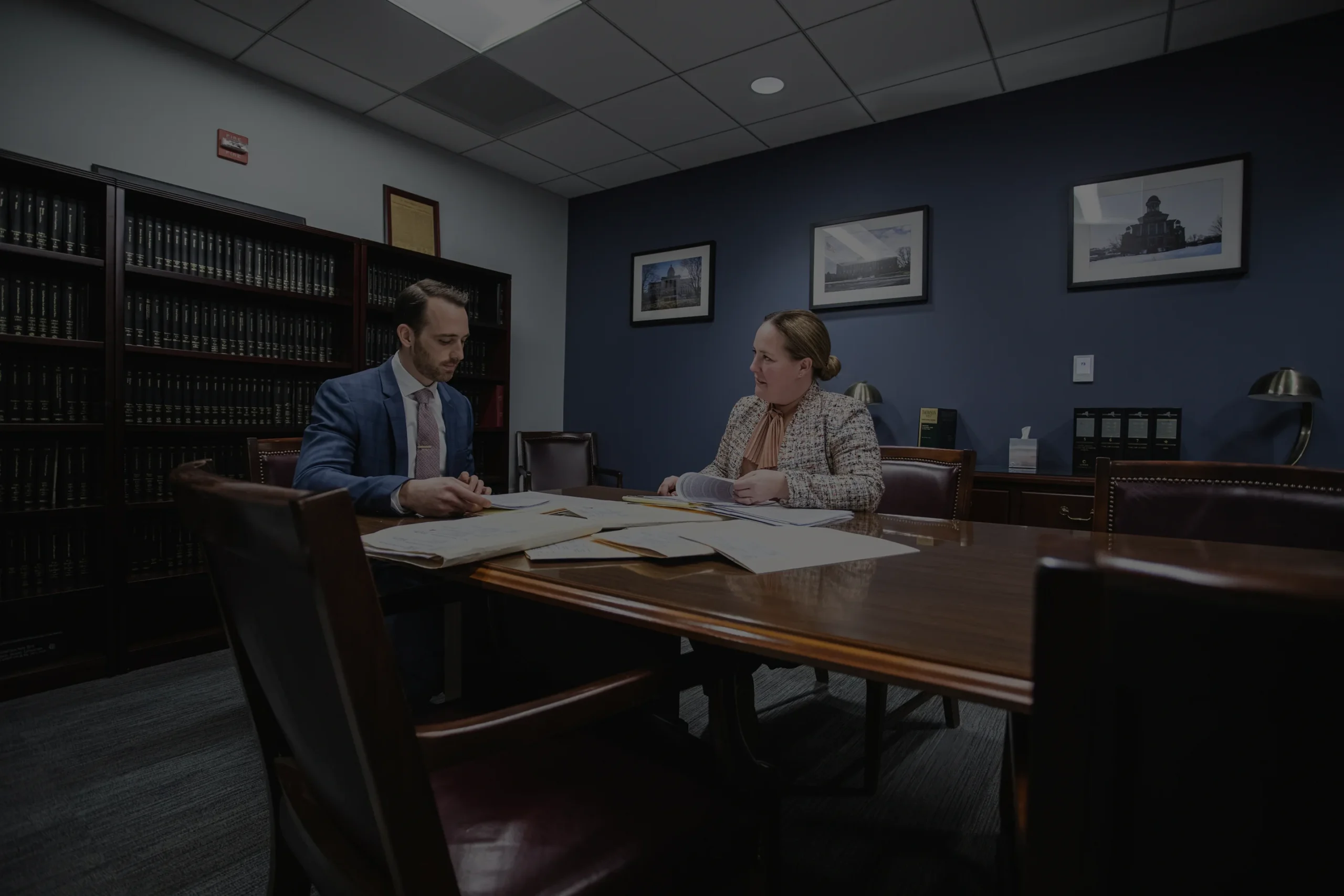
Lawyers in office reviewing case files at conference table

Understanding Appeals in New York

The most common appeal types:
Trial Appeal
A trial appeal refers to the process of appealing a criminal conviction or sentence based on errors or irregularities that occurred during the trial. The appellant (the party appealing) argues that the trial court made legal mistakes that affected the outcome of the case, such as incorrect jury instructions, the admission of improper evidence, or violations of the defendant’s constitutional rights. The purpose of a trial appeal is to have a higher court review the trial proceedings and potentially reverse or modify the original decision.
A guilty plea appeal occurs when a defendant appeals their own guilty plea. The appellant argues that their plea was not knowingly, voluntarily, or intelligently made, often claiming that they were coerced, misled, or did not fully understand the consequences of the plea. The purpose of a voluntary plea appeal is to have the plea withdrawn or the case reopened for further proceedings.
In some jurisdictions, a 440 motion or a 330 motion is a legal mechanism for a defendant to challenge their conviction or sentence. A 440 motion typically allows a defendant to raise newly discovered evidence, ineffective assistance of counsel, or constitutional violations that were not raised during the trial or on direct appeal. A 330 motion, on the other hand, is specific to New York State and provides a means for a defendant to challenge the legality of their sentence.
Coram nobis is a Latin term that translates to “before us” in English. It is a legal remedy that allows a defendant who has already been convicted and exhausted their direct appeals to bring a new challenge based on fundamental errors that occurred during the proceedings. The coram nobis petition typically argues that there was a significant error that was not known or could not have been raised at the time of the original trial or appeal, such as ineffective assistance of counsel or newly discovered evidence.
Article 78 refers to a specific provision in the New York Civil Practice Law and Rules. It is not directly related to criminal appeals but can be relevant in certain cases involving government actions. Article 78 proceedings are used to challenge the decisions or actions of government agencies or officials when they are believed to be arbitrary, capricious, or contrary to the law. While it is not specific to criminal appeals, it can be utilized in criminal cases when challenging administrative decisions, such as parole denials or disciplinary actions.
Sealing and expungement are legal processes that allow individuals to limit or remove records of their criminal history from public view. Sealing generally means that the records are still accessible but are restricted to certain parties, such as law enforcement and criminal justice agencies. Expungement, on the other hand, involves the complete erasure of the records as if they never existed. The eligibility and procedures for sealing and expungement vary by jurisdiction, and not all convictions or offenses may be eligible for these remedies.
Ineffective assistance of counsel is a constitutional claim that can be raised on appeal. It asserts that a defendant’s defense attorney provided inadequate representation, which deprived the defendant of their constitutional right to effective assistance of counsel. To succeed with this claim, the defendant typically needs to show that their attorney’s performance fell below an objective standard of reasonableness and that this deficient performance prejudiced the defendant’s case, meaning it had a significant impact on the outcome of the trial or sentencing.

MEET THE TEAM

Your Criminal Defense ATTORNEYS

Cambareri & Brenneck is a firm founded by and comprised of former prosecutors. Because our attorneys have experience on both sides of the courtroom, our clients can trust that their case will be effectively navigated through the criminal justice system. Every viable avenue toward a positive outcome will be exhaustively pursued.

WHY CHOOSE US

The Defense Firm You Have Been Looking For

Strong Reputation

Our honest, transparent approach to criminal defense helps us better protect our clients' best interests.

Former Prosecutors. Proven Defense.

With 75+ years of collective experience, we leverage our insight to benefit our clients.

Available 24/7

We are available 24/7 to help you with the personal, private, and professional consequences associated with your situation.

Free Case Consultations

Please contact our team to schedule your free case consultation.

AREAS WE SERVE

Serving Syracuse & Upstate New York

FAQS

Frequently Asked Questions

D42A4228 scaled
Can I appeal my criminal conviction in New York?

In many cases, yes. If you believe legal errors affected the outcome of your case, you generally have the right to appeal. Whether an appeal is viable depends on the specifics — the nature of the decision, the court that issued it, and whether errors of law occurred during your trial or plea. The best way to know is to have an experienced New York appellate attorney review your case. Cambareri & Brenneck offers free consultations to evaluate your options.

In New York, you typically have just 30 days from sentencing to file a Notice of Appeal in a criminal case. Missing this deadline can permanently forfeit your right to a direct appeal. Because the window is so short, it’s critical to contact an appellate attorney immediately after a conviction. If you’ve already missed the deadline, certain post-conviction remedies may still be available — speak with our team right away.
A trial determines the facts of a case. An appeal asks a higher court to review whether legal errors occurred in the lower court. Appeals do not involve new evidence, new witnesses, or retrying the facts — they focus on mistakes of law, such as improper rulings, constitutional violations, or sentencing errors. Because appellate work is fundamentally different from trial work, it requires an attorney with specific appellate experience.
A Notice of Appeal is the document that officially begins the appeals process. It is filed with the court that issued the original decision and must be filed within the strict statutory deadline — typically 30 days from sentencing. Filing the Notice of Appeal preserves your right to challenge the conviction. After it’s filed, your appellate attorney prepares the brief and, in some cases, presents oral arguments. What should I do immediately after being arrested in Syracuse?
The process generally includes filing the Notice of Appeal, obtaining and reviewing the trial record, preparing a detailed appellate brief identifying legal errors, and sometimes presenting oral arguments before the appellate court. The court then reviews the case for legal errors — not factual disputes. Each stage has specific requirements and deadlines, which is why having a knowledgeable New York appellate attorney guide the process is essential.

CONTACT US

Free Confidential Consultation

Tell us a little about your situation and we’ll get back to you quickly. All conversations are confidential and protected by attorney-client privilege.


Phone Number
Email
Locations