

Federal Crimes Attorney in Syracuse, NY
A federal crimes attorney defends you when the U.S. Attorney’s Office investigates or charges you under federal law. Cambareri & Brenneck, PLLC is a Syracuse, NY criminal defense firm founded by former Onondaga County prosecutors. We defend federal cases in the Northern District of New York, from target letter to sentencing. Call 315-424-8326 for a free consultation.
Message Your Team
IN THE NEWS






Syracuse Federal Criminal Defense Attorneys for Investigations and Charges
Federal cases are built for months before anyone is arrested. The sooner a federal crime attorney steps in, the more options you keep.
A federal crime is a violation of a law passed by Congress, usually in Title 18 or Title 21 of the U.S. Code. In Syracuse, federal cases are brought by the U.S. Attorney’s Office for the Northern District of New York and heard at the federal courthouse at 100 South Clinton Street. Agents from the FBI, DEA, ATF, IRS, Homeland Security Investigations or the Postal Inspection Service usually build the case, often with local police on a joint task force.
Federal court is different from Syracuse City Court or Onondaga County Court:
- The investigation comes first. Agents may spend months gathering bank records, phone data, recorded calls and cooperating witnesses before they act.
- Sentencing follows the U.S. Sentencing Guidelines, and many drug, gun and identity theft charges carry mandatory minimum prison terms set by Congress.
- There is no parole. People sentenced to federal prison generally serve at least about 85% of the sentence.
- Most cases end in a plea. That makes the early work (what you say, what the government can prove, and how the guideline range is calculated) decide the outcome.
Our team includes Melissa K. Swartz, who is admitted in the Northern and Western Districts of New York and the Second Circuit and serves as the NDNY CJA Panel representative. Steve Cambareri handles white-collar cases such as tax fraud. Joe Centra spent about three years in the Onondaga County DA’s Economic Fraud & Financial Crime Bureau and also worked narcotics cases. Every one of our attorneys began as a prosecutor. We know how an investigation is built, and where it breaks down.
Federal agents contacted you? Take these steps now
01
Don’t talk to agents without a lawyer.
Be polite, take their business card, and say you will have your attorney call them. Lying to a federal agent is a separate crime, even if you were never charged with anything else. (Read: why speaking to police without a lawyer is risky.)
02
Don’t consent to a search.
03
Don’t delete anything.
04
Don’t contact possible witnesses or co-workers about the case.
Those calls may be recorded, and some witnesses are already cooperating.
05
Call a federal crimes attorney before you respond to any letter or subpoena.
Call 315-424-8326.
What is a federal target letter, and what should I do?
What makes a case federal instead of state?
The same conduct can be a state crime, a federal crime, or both. A case usually goes federal when:
- it crosses state or national lines, or uses the mail, the internet, phones or banks (interstate commerce);
- it involves a federal agency, federal money (Medicare, Medicaid, SBA or PPP loans), a federally insured bank, or federal property;
- a federal task force made the arrest, or the drug amount or gun history meets federal priorities.
State and federal prosecutors can each charge the same conduct, because they are different “sovereigns”. If you face both a state case and a federal case, your lawyer must plan both together. A plea in one can affect the other.
Can I get a court-appointed lawyer in federal court?
How Our Federal Criminal Defense Lawyers Challenge the Government's Case
The government must prove every element of every count beyond a reasonable doubt. We test the case from the first warrant to the last guideline point:
The warrants. Search warrants, wiretaps, phone-location warrants and device searches must rest on probable cause and stay within their limits. If they don’t, we move to suppress.
The cooperating witnesses. Many federal cases depend on people who are trying to reduce their own sentences. We dig into their deals, their prior statements and their reasons to lie.
The discovery. We demand everything the government must share: Rule 16 discovery, Brady and Giglio material, and witness statements under the Jencks Act.
Intent and knowledge. Fraud, conspiracy and many drug and gun charges require proof of what you knew and intended. Being near a scheme is not joining it.
The drug quantity or loss amount. In federal court, the number drives the sentence. We challenge how the government counted drug weight, “relevant conduct” and dollar losses.
Venue and the statute of limitations. Most federal crimes must be charged within five years, and in the right district.
The Speedy Trial Act. An indictment generally must be filed within 30 days of arrest, and trial must start within 70 days, subject to exclusions. Missed deadlines can lead to dismissal.
Sentencing errors. We check every guideline enhancement in the presentence report and object in writing before the judge relies on it.
Federal Sentencing Guidelines, Mandatory Minimums and Penalties
A federal sentence starts with the statute, which sets the minimum (if any) and the maximum. Inside that range, the judge calculates a range under the U.S. Sentencing Guidelines, based on the offense, the drug amount or loss, a weapon, your role and your criminal history. Since United States v. Booker (2005), the guidelines are advisory, but judges must still calculate them and explain any sentence outside them. A mandatory minimum binds the judge unless an exception applies, such as the safety valve or a government motion for cooperation.
| Charge | Statute | Mandatory minimum | Maximum prison | Notes |
|---|---|---|---|---|
| Simple drug possession (first offense) | 21 U.S.C. §844 | None | 1 year | Misdemeanor; minimum $1,000 fine |
| Drug distribution / possession with intent (any amount) | 21 U.S.C. §841(b)(1)(C) | None (20 years if death or serious injury results) | 20 years | Up to $1M fine |
| Drug distribution, 5-year tier | 21 U.S.C. §841(b)(1)(B) | 5 years (10 with a qualifying prior) | 40 years | Quantity table in ADD A |
| Drug distribution, 10-year tier | 21 U.S.C. §841(b)(1)(A) | 10 years (15 with a qualifying prior) | Life | Quantity table in ADD A |
| Drug conspiracy or attempt | 21 U.S.C. §846 | Same as the underlying offense | Same as the underlying offense | Can be charged for the whole conspiracy's amount you could foresee |
| Gun used or carried in a drug or violent crime | 18 U.S.C. §924(c) | 5 years (7 if brandished, 10 if fired) | Life | Must run consecutive to the other sentence |
| Felon (or other prohibited person) in possession of a firearm | 18 U.S.C. §922(g), §924(a)(8) | None (15 years under the Armed Career Criminal Act) | 15 years | – |
| Wire fraud / mail fraud | 18 U.S.C. §§1343, 1341 | None | 20 years (30 if a bank is affected) | Restitution is usually mandatory |
| Bank fraud | 18 U.S.C. §1344 | None | 30 years | Up to $1M fine |
| Health care fraud | 18 U.S.C. §1347 | None | 10 years | Higher if injury or death results |
| Aggravated identity theft / Money laundering | 18 U.S.C. §1028A | 2 years | 2 years | Must run consecutive |
| Money laundering | 18 U.S.C. §1956 | None | 20 years | Fine up to $500,000 or twice the amount |
| Tax evasion | 26 U.S.C. §7201 | None | 5 years | Plus taxes, interest and penalties |
“Qualifying prior” means a prior serious drug felony or serious violent felony as defined by the First Step Act of 2018. Most federal felony sentences add a term of supervised release after prison. Courts may also order restitution, forfeiture of property and a special assessment. Sources: U.S. Code (uscode.house.gov), U.S. Sentencing Commission Guidelines Manual. This table is general information, not legal advice about your case.
How we work to lower a federal sentence
- Guideline objections: loss amount, drug weight, role, weapon and “sophisticated means” enhancements.
- The safety valve: for some drug defendants with little or no criminal history, the judge can sentence below the mandatory minimum.
- Acceptance of responsibility: a timely plea can reduce the offense level.
- Variance arguments: your history, family, health, work and the real harm in the case, under 18 U.S.C. §3553(a).
- Cooperation: where it fits and you choose it, a government motion can allow a sentence below the guidelines or a minimum. We explain the risks honestly before you decide.
Federal Charges We Defend in Syracuse and Central New York
Wire fraud and mail fraud (18 U.S.C. §§1343, 1341)
Bank, loan and health care fraud (18 U.S.C. §§1344, 1347, 1014)
Charges tied to banks, mortgages, SBA and PPP loans, Medicare and Medicaid. These cases often come from audits, data analysis or a whistleblower and can carry long maximum sentences. For state-level theft and embezzlement charges, see our theft and larceny defense page.
Money laundering and tax charges (18 U.S.C. §§1956–1957; 26 U.S.C. §§7201–7206)
Identity theft and computer crimes (18 U.S.C. §§1028, 1028A, 1030)
Federal firearms charges (18 U.S.C. §§922, 924)
The most common is possession by a prohibited person, such as someone with a felony conviction. Others include lying on the ATF purchase form, straw purchases, possessing a gun with a removed serial number, and machine guns. Using or carrying a gun during a drug or violent crime adds a mandatory consecutive sentence. For New York weapons charges, see our weapons attorney page.
Federal sex offense and internet charges
Federal prosecutors bring device-based and online-enticement cases, often after an FBI or Homeland Security investigation. These cases are handled with strict confidentiality and the presumption of innocence. See our internet sex crime defense page for device-based charges, and our sex crimes defense page for state charges.
Supervised release and federal probation violations
Got a target letter or a visit from agents?
Federal Drug Crimes Attorney for Trafficking and Conspiracy Cases
Most federal drug cases in Central New York are charged under the Controlled Substances Act, usually as possession with intent to distribute (21 U.S.C. §841) or conspiracy (21 U.S.C. §846). The drug type and quantity decide whether a mandatory minimum applies. That is why a federal drug crimes attorney focuses on the quantity from day one.
Drug quantities that trigger mandatory minimums
| Drug (mixture weight unless noted) | 5-year minimum | 10-year minimum |
|---|---|---|
| Heroin | 100 grams | 1 kilogram |
| Cocaine (powder) | 500 grams | 5 kilograms |
| Cocaine base ("crack") | 28 grams | 280 grams |
| Fentanyl | 40 grams | 400 grams |
| Fentanyl analogue | 10 grams | 100 grams |
| Methamphetamine (pure / mixture) | 5 g / 50 g | 50 g / 500 g |
| Marijuana | 100 kilograms or 100 plants | 1,000 kilograms or 1,000 plants |
What makes a drug case go federal?
Most drug arrests in Syracuse stay in state court. A case is more likely to go federal when a DEA, FBI or HSI task force is involved, when drugs crossed state lines or came through the mail, when the amount is large, when a gun was found, or when someone died from an overdose. For drug arrests charged under New York law, see our page on state drug charges in Syracuse.
Federal drug conspiracy charges (21 U.S.C. §846)
Can you beat a federal drug case?
Yes, some are won, and many more are reduced. The strongest defenses usually attack the wiretap or search warrant, the reliability of informants, the proof of an agreement, and the drug weight. Even when a plea makes sense, the safety valve, a lower drug quantity or a mitigating-role adjustment can take years off a sentence. No lawyer can promise a result.
Note: “drug distribution resulting in death” cases (21 U.S.C. §841(b)(1)(C)) carry a 20-year mandatory minimum and require proof that the drug was the “but-for” cause of death.
How a Federal Case Moves Through Syracuse Federal Court (NDNY)
01
Investigation.
02
Arrest or self-surrender.
03
Initial appearance.
04
Detention hearing.
05
Indictment and arraignment.
06
Discovery and motions.
07
Plea negotiations or trial.
08
Presentence report and sentencing.
09
Appeal.
Collateral Consequences of a Federal Conviction
Gun rights.
Immigration.
Professional licenses and government work.
Money.
Future cases.
College students.
Students at Syracuse University, SUNY Oswego, Le Moyne, OCC and SUNY ESF can face campus discipline as well. See university discipline and Title IX.
Federal Results From Our Attorneys
U.S. v. Berte
60 months
MEET THE TEAM
Meet Your Syracuse Federal Crimes Attorneys
Scott A. Brenneck
Partner, Attorney
Steve Cambareri
Partner
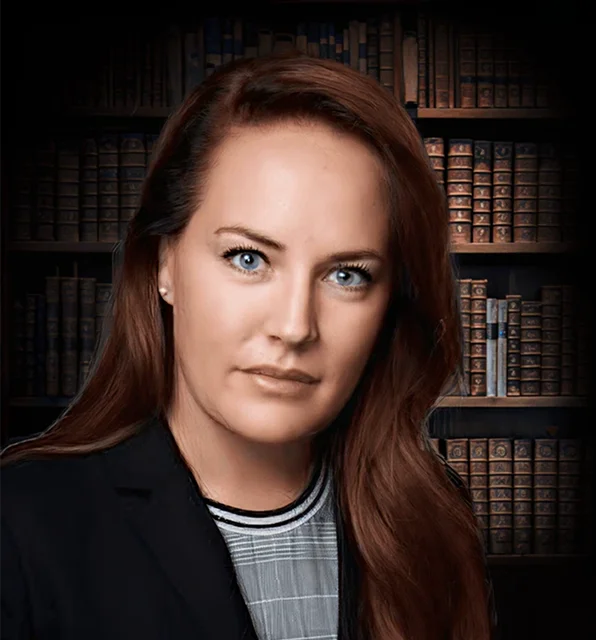
Melissa K. Swartz
Attorney
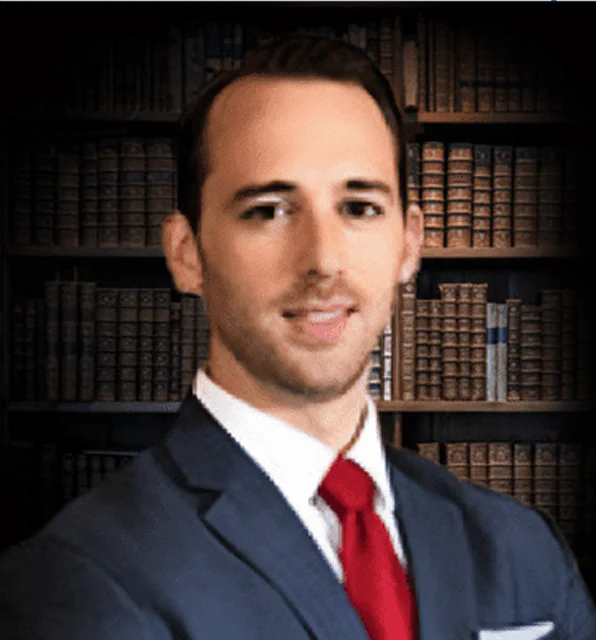
Joe Centra, Esq.
Attorney

Hon. John V. Centra (Ret.)
Special Counsel
WHY CHOOSE US
Why Hire Former Prosecutors as Your Federal Defense Lawyer
Admitted in Federal Court
Melissa K. Swartz is admitted in the Northern and Western Districts of New York and the Second Circuit, and serves as the NDNY CJA Panel representative.
We Fight the Guideline Math
In federal court, a few points on the guidelines can mean years. We challenge loss, drug weight and every enhancement in the presentence report.
We Start Before the Indictment
Target letters, subpoenas and agent visits are the best time to act. We can talk to prosecutors for you before charges are filed.
Free, Confidential Consultation
Call 315-424-8326 or send a message. Bring any letter, subpoena, warrant or court paper you received.
AREAS WE SERVE
Federal Criminal Lawyer for Syracuse & the Northern District of New York
Syracuse, NY
Onondaga County towns
Auburn (Cayuga County)
Oswego (Oswego County)
FAQS
Federal Crimes FAQs
What does a federal crimes attorney do?
What is the difference between a federal crime and a state crime in New York?
What should I do if I get a federal target letter?
What makes a drug case go federal?
Can you beat a federal drug case?
How does federal sentencing work?
Can I get bail in a federal case in Syracuse?
How much does a federal criminal defense attorney cost?
It depends on the charge, the amount of evidence and whether the case goes to trial. Federal cases often involve large volumes of records and recordings, so they usually cost more than state cases. Ask for a written fee agreement. If you can’t afford a lawyer, the court can appoint one. Cambareri & Brenneck offers a free consultation: 315-424-8326
Where is federal court in Syracuse?
Is there parole in the federal system?
Reviewed by Melissa K. Swartz, former Onondaga County Assistant District Attorney, admitted in the U.S. District Courts for the Northern and Western Districts of New York and the Second Circuit. Last updated October 2026.
CONTACT US
Free Confidential Consultation Federal Crimes Attorney
Under federal investigation or charged in federal court? Tell us briefly what happened and whether you’ve received a letter, subpoena or court date. A member of our team will get back to you quickly. You can also call 315-424-8326.
Phone Number
Locations