

DWAI Attorney in Syracuse, NY
A DWAI attorney defends you against a charge of driving while ability impaired by alcohol, drugs or both. Cambareri & Brenneck, PLLC is a Syracuse, NY criminal defense firm founded by former Onondaga County prosecutors. A DWAI by drugs is a crime, and a DWAI by alcohol can still cost you your license. Call 315-424-8326 for a free consultation.
Message Your Team
IN THE NEWS






Syracuse DWAI Defense Attorneys Who Know How Impaired-Driving Cases Are Built
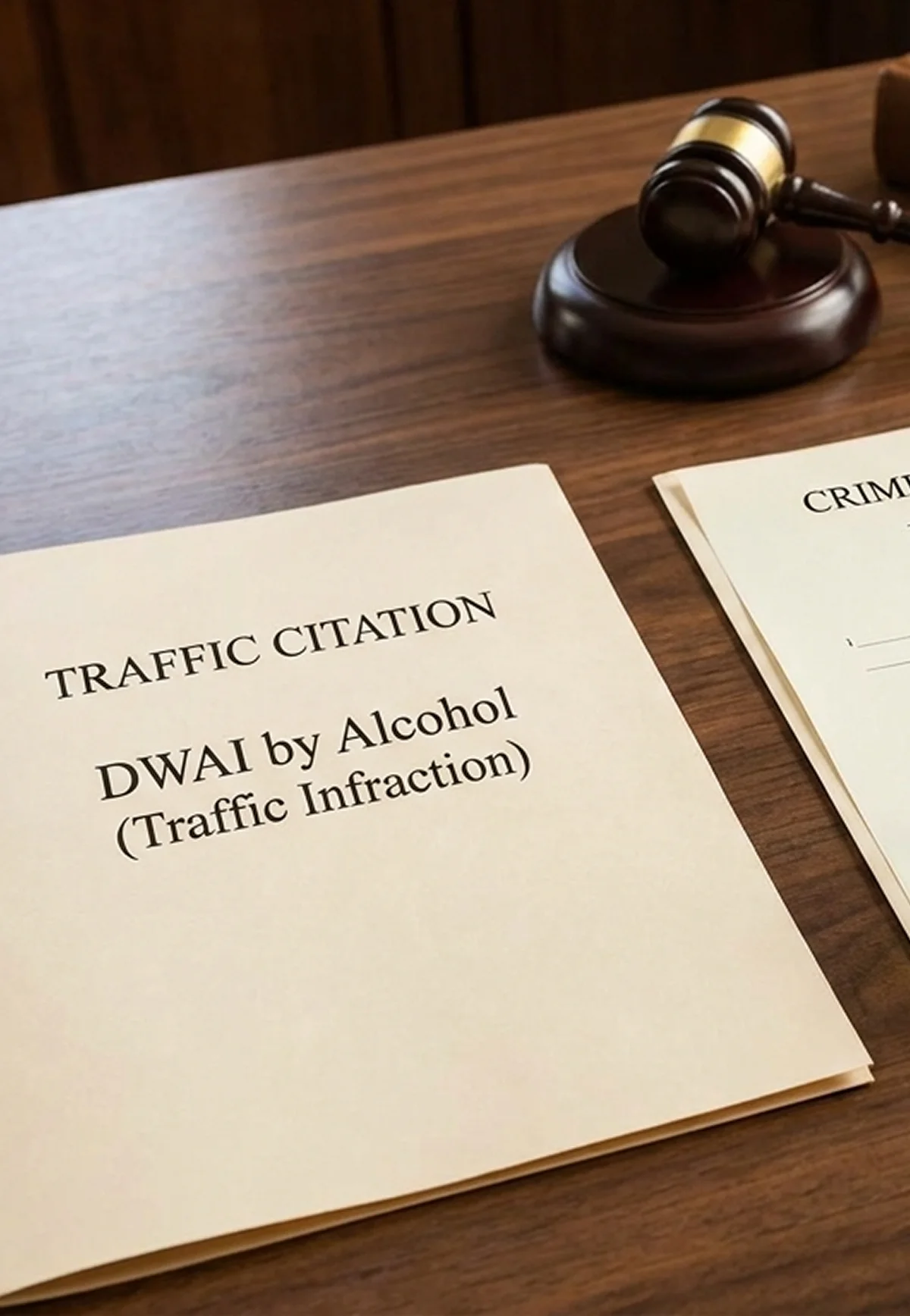
A DWAI by alcohol is a traffic infraction. A DWAI by drugs is a crime. Knowing which one you face is the first step
New York has three DWAI charges under Vehicle and Traffic Law §1192
- DWAI by alcohol, VTL §1192(1). Your ability to drive was impaired “to any extent” by alcohol. A blood alcohol content (BAC) above 0.05% but below 0.07% is evidence of impairment. A first offense is a traffic infraction, not a crime.
- DWAI by drugs, VTL §1192(4). Your ability to drive was impaired by a drug, including cannabis and many prescription medicines. A first offense is a misdemeanor, the same level as a DWI.
- DWAI by a combination, VTL §1192(4-a). Your ability to drive was impaired by alcohol and drugs together, or by more than one drug. A first offense is a misdemeanor.
These charges sound alike, but the outcomes are very different. One leaves you with a traffic ticket on your driving record. The others give you a criminal record and count as a prior offense that can turn your next arrest into a felony.
Cambareri & Brenneck is made up of former Onondaga County prosecutors. Steve Cambareri focuses his practice on DWI and impaired-driving defense. He teaches continuing legal education on DWI and the Vehicle and Traffic Law for the Onondaga County Bar Association, and he has lectured to the Syracuse Police Department, the Onondaga County Sheriff’s Office and the Center for Forensic Sciences. That means he knows how officers are trained to spot impairment and how the lab tests the samples. Scott A. Brenneck handled DWI and drug cases as a prosecutor. As your DWAI defense attorneys, we test every part of the case against you.
Charged with DWAI in Syracuse? Take these steps now
01
Find your court date
It is on your appearance ticket or release papers, along with the name of the court. Missing it can lead to a warrant and a license suspension.
02
Don’t discuss what you took or drank.
Not with police, friends or on social media. Statements about a pill, a drink or “a little weed earlier” often become the prosecutor’s best evidence. (Read: why speaking to police without a lawyer is risky.)
03
List your medications and conditions.
04
Write down the stop.
Where you were pulled over, why the officer said you were stopped, which tests you did and whether you went to a station for an evaluation or a blood or urine test.
05
Call a DWAI attorney before your first court date
A drug test result can take weeks, but your license and plea options are decided early. Call 315-424-8326. (See also: what to do after a criminal arrest in Syracuse.)
How do police prove impairment by drugs? The Drug Recognition Expert
There is no breath test for drugs and no legal THC limit in New York. So in most drug DWAI cases, police call a Drug Recognition Expert (DRE). A DRE is an officer trained to run a 12-step evaluation at the station: eye checks, pulse and blood pressure, muscle tone, divided-attention tests and an interview. The officer then gives an opinion about which drug category caused the impairment. Police usually also ask for a blood or urine sample.
A DRE opinion is still just an opinion. Missed steps, a medical condition, nerves or a long night shift can look like impairment. And a positive test shows a drug was in your body. It does not, by itself, prove your driving was impaired at the time.
Can I refuse a blood or urine test in New York?
Will I lose my license for a DWAI?
Usually, if you are convicted. A first DWAI by alcohol brings a 90-day suspension. A DWAI by drugs or a combination brings a revocation of at least six months. If you refused a chemical test, your license is suspended at arraignment until the DMV refusal hearing. Many drivers can get a conditional license for work, school and medical trips by enrolling in the Impaired Driver Program. Ask about it at your first meeting.
How Our DWAI Defense Attorneys Fight the Charge
The stop. Police need a lawful reason to pull you over. If they didn’t have one, the judge can suppress the evidence that followed.
Is it legally a “drug”? For DWAI-drugs, the substance must be a “drug” under VTL §114-a: a substance listed in Public Health Law §3306, or cannabis. Some over-the-counter medicines are not on that list. The People must prove which drug you used.
The DRE evaluation. We review the officer’s certification, the 12-step paperwork, the timing and every skipped or guessed step. Medical conditions, injuries and fatigue can mimic drug signs.
The lab result. Blood and urine tests show presence, not impairment. Cannabis can be detected long after its effects wear off. We check the chain of custody, the lab’s methods and how long after driving the sample was taken.
Field sobriety tests. The walk-and-turn, one-leg stand and eye tests were designed for alcohol. Weather, footwear, the road surface and your health all affect them.
The two-hour rule and test warnings. Chemical test results under the implied consent law generally must come from a test given within two hours of arrest, unless you agreed or a court ordered it. A refusal counts against you only if the warnings were clear
Your statements. We check whether police questioned you in custody without Miranda warnings. Answers about what you took can be suppressed after a Huntley hearing.
The evidence the DA must share. Prosecutors must turn over body-camera and dash-camera video, DRE forms and lab records on a deadline. Missing evidence can lead to sanctions or dismissal.
What should I say if police think I'm on drugs?
Programs that can protect your license
After a DWAI conviction, many drivers qualify for the Impaired Driver Program (formerly the Drinking Driver Program), which can lead to a conditional license and, for some, an early end to the suspension. Where drug use is part of the picture, the court may order an evaluation and treatment. When it fits your case, we ask the court and the DMV for these options early.
DWAI Penalties in New York
| Offense | Statute | Level | Fine | Max jail or prison | License (minimum) |
|---|---|---|---|---|---|
| DWAI — alcohol, first offense | VTL §1192(1) | Traffic infraction | 300–500 | 15 days | 90-day suspension |
| DWAI — alcohol, 2nd within 5 years | VTL §1193(1)(a) | Traffic infraction | 500–750 | 30 days | 6-month revocation |
| DWAI — alcohol, 3rd within 10 years | VTL §1193(1)(a) | Misdemeanor | 750–1,500 | 180 days | 6-month revocation |
| DWAI — drugs, first offense | VTL §1192(4) | Misdemeanor | 500–1,000 | 1 year | 6-month revocation |
| DWAI — combined, first offense | VTL §1192(4-a) | Misdemeanor | 500–1,000 | 1 year | 6-month revocation |
| DWAI-drugs or combined, 2nd within 10 years (or after a DWI) | VTL §1193(1)(c)(i) | Class E felony | 1,000–5,000 | 4 years | 1-year revocation |
| DWAI-drugs or combined, 3rd within 10 years | VTL §1193(1)(c)(ii) | Class D felony | 2,000–10,000 | 7 years | 1-year revocation |
| Chemical test refusal (DMV, civil) | VTL §1194(2)(d) | Civil (DMV) | $500 civil penalty | — | 1-year revocation |
Driving while impaired by drugs or a combination with a child 15 or younger in the car is a Class E felony under Leandra’s Law. A mandatory surcharge and fees of $395 are added to alcohol- or drug-related misdemeanors and $520 to felonies, plus $5 in a town or village court (DMV). A prior Aggravated DWI, DWI, DWAI-drugs or DWAI-combined conviction within 10 years raises the minimum revocation to 18 months. Three or more alcohol- or drug-related convictions or refusals within 10 years can lead to permanent revocation. Felony prison terms come from Penal Law §70.00 Sources: NY DMV penalties table, VTL §1193. This table is general information, not legal advice about your case.
DWAI Charges We Defend in Syracuse
DWAI by alcohol (VTL §1192(1))
The least serious alcohol charge in New York. It is a traffic infraction, not a crime, on a first or second offense. Most DWAI-alcohol convictions in Syracuse come from a DWI arrest that was reduced after the defense found problems with the stop or the breath test. If you were charged with DWI, start with our DWI attorney page. A DWAI still means a fine, a 90-day suspension and a mark on your driving record.
DWAI drugs (VTL §1192(4))
DWAI combined influence (VTL §1192(4-a))
Cannabis and DWAI in New York
Prescription and over-the-counter medicine
Repeat and felony DWAI
Drivers under 21, CDL holders and out-of-state drivers
Drivers under 21 face a longer loss of license after a DWAI conviction. Students at Syracuse University, SUNY Oswego, Le Moyne or OCC may also face campus discipline; see university discipline and Title IX. Commercial drivers can lose their CDL. A DWAI arrest on I-81, I-90 or I-690 is a New York case even if you live elsewhere, and it is usually reported to your home state.
Waiting on a blood or urine result?
DWAI vs DWI in New York
| DWAI — alcohol | DWAI — drugs or combined | DWI | |
|---|---|---|---|
| Statute | VTL §1192(1) | VTL §1192(4), (4-a) | VTL §1192(2), (3) |
| What it means | Ability impaired to any extent by alcohol | Ability impaired by a drug, or by drugs and alcohol | BAC 0.08% or more, or intoxicated |
| Level | Traffic infraction | Misdemeanor | Misdemeanor |
| Criminal record | No | Yes | Yes |
| Fine | 300–500 | 500–1,000 | 500–1,000 |
| Max jail | 15 days | 1 year | 1 year |
| License | 90-day suspension | 6-month revocation | 6-month revocation |
| Ignition interlock | Not required | Not required | Required |
| Makes a later DWI a felony | No | Yes (10 years) | Yes (10 years) |
For a DWI charge, a reduction to DWAI by alcohol avoids a criminal conviction. For a DWAI-drugs charge, the fight is usually over the drug evidence itself. Read more about DWI defense in Syracuse.
How a DWAI Case Moves Through Syracuse Courts
01
Stop and arrest.
Syracuse Police, the Onondaga County Sheriff’s Office, New York State Police or a town police department makes the arrest.
02
Testing
03
Release and appearance ticket.
04
Arraignment
05
Waiting on the lab
06
Discovery and motions.
07
Plea or trial
08
Sentencing and the DMV
Outside Onondaga County
Collateral Consequences of a DWAI
A criminal record (drugs or combined)
Your job and professional license.
CDL
Immigration
Insurance and DMV fees
Future charges
Drugs found in the car.
If police also found drugs, you may face a separate possession charge; see our drug possession defense page.
MEET THE TEAM
Meet Your Syracuse DWAI Defense Team
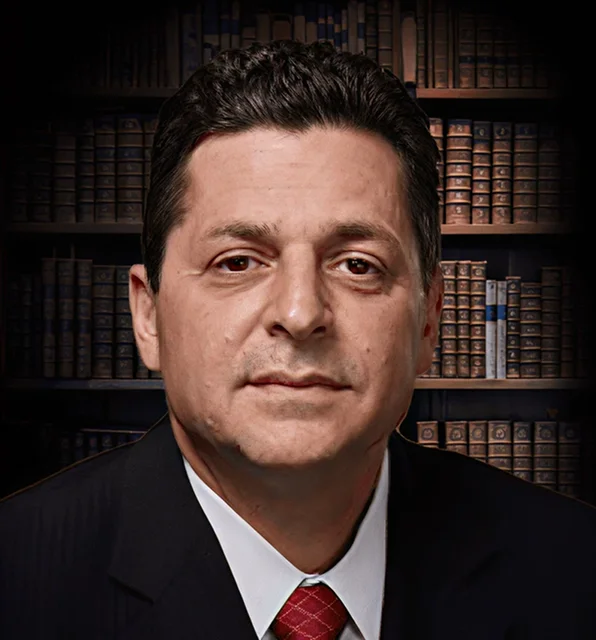
Steve Cambareri
Partner
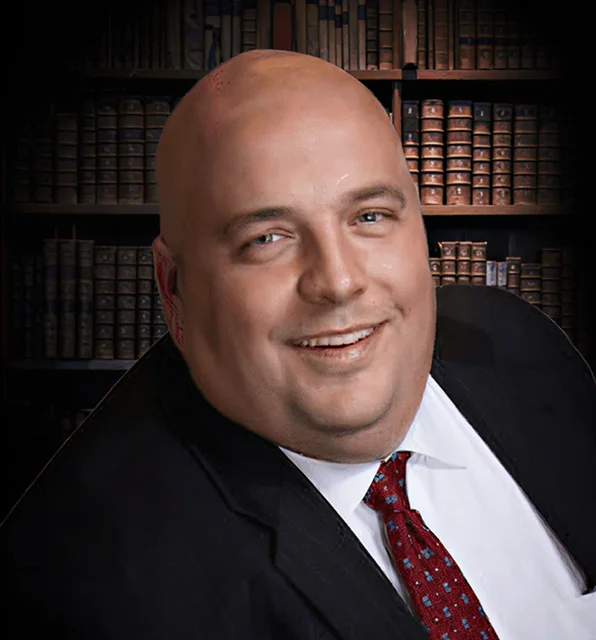
Scott A. Brenneck
Partner, Attorney
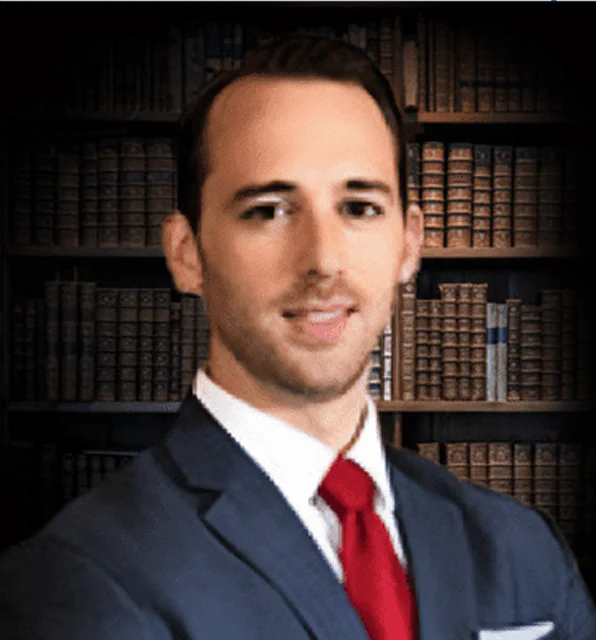
Joe Centra, Esq.
Attorney
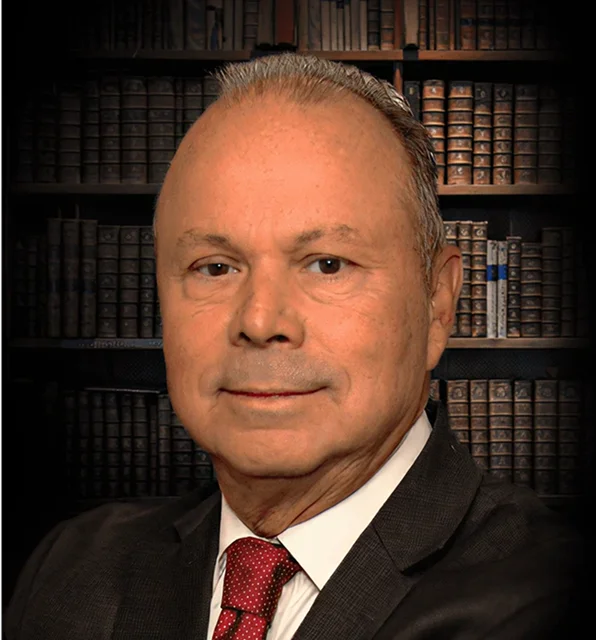
(Ret.) Judge John
Special Counsel
Retired Appellate Division justice, now leading firm mediation.
Melissa K. Swartz
Attorney
Former ADA, Felony Trial Unit: weapons, assault, burglary, robbery
WHY CHOOSE US
Why Hire Former Prosecutors as Your DWAI Lawyer
Former Onondaga County Prosecutors
We know how impaired-driving cases are charged and negotiated in Onondaga County, because we used to do it.
We Know the Science and the Training
Steve Cambareri has lectured to the Center for Forensic Sciences and local police on DWI law. We test the DRE and lab evidence, not just the paperwork
The Right Charge Matters
We fight for the outcome that keeps a criminal conviction off your record whenever the evidence allows it.
Free, Confidential Consultation
Call 315-424-8326 or send a message. Bring your ticket and we'll explain your options.
AREAS WE SERVE
DWAI Defense in Syracuse & Central New York
Syracuse, NY
Onondaga County towns
Auburn (Cayuga County)
Oswego (Oswego County)
FAQS
Syracuse DWAI FAQs
What happens for a first DWAI offense in New York?
Can a DWAI be reduced or dismissed in NY?
How much does a DWAI cost in NY?
Is DWAI a misdemeanor in New York?
What is the DWAI limit in NY?
Can I get a DWAI for marijuana in New York?
Can I get a DWAI for taking my prescription medication?
How long does a DWAI stay on your record in NY?
Will I lose my license for a DWAI in Syracuse?
Which court will hear my DWAI case in Onondaga County?
Reviewed by Steve Cambareri, former Onondaga County Assistant District Attorney and OCBA lecturer on DWI and the Vehicle and Traffic Law. Last updated October 2026
CONTACT US
Free Confidential Consultation
Phone Number
Locations