Criminal Defense Attorney in Syracuse, NY

Cambareri & Brenneck, PLLC is a Syracuse, NY criminal defense firm founded by former Onondaga County prosecutors. If you were arrested or charged with a felony or misdemeanor, our criminal defense attorneys can step in before arraignment, protect your rights and start building your defense today. Call 315-424-8326 for a free consultation.

Message Your Team

Syracuse Criminal Defense Attorneys Who Used to Prosecute These Cases

We know how the Onondaga County DA’s Office builds a case, because we built them.

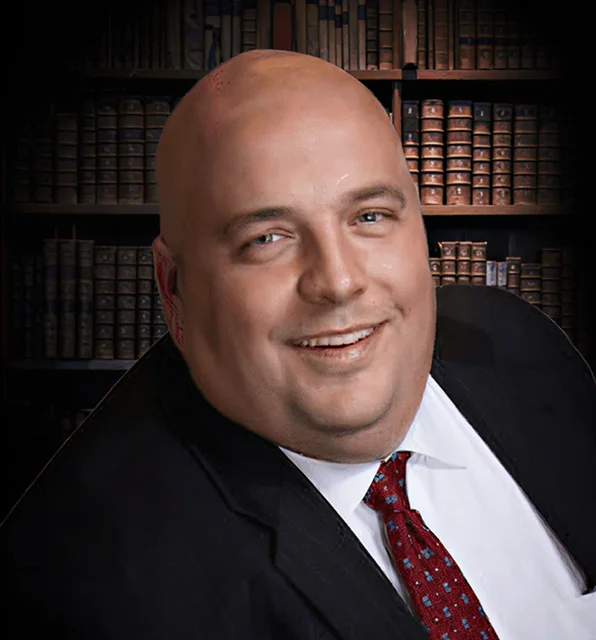
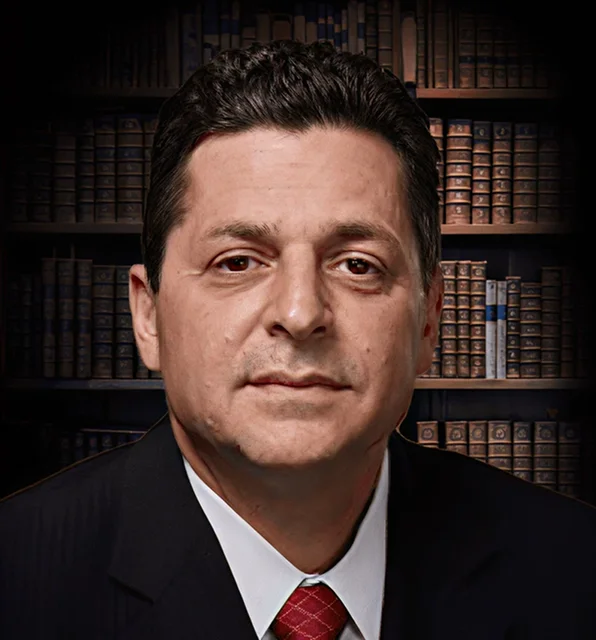
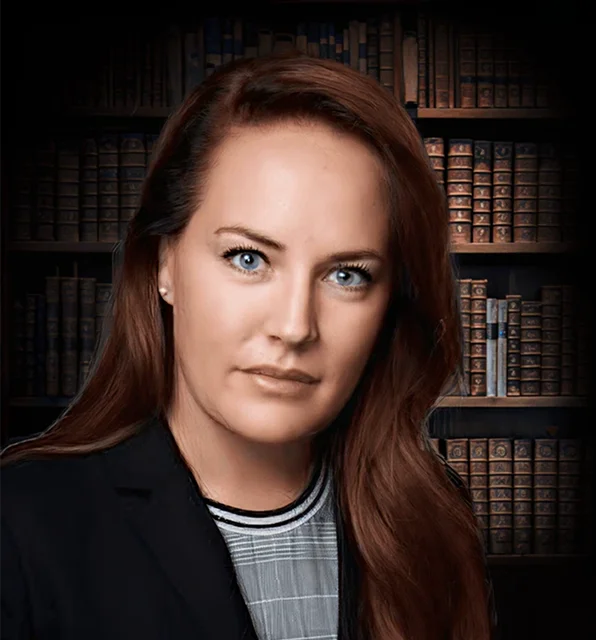
Partners Scott A. Brenneck and Steve Cambareri both tried felony cases as Onondaga County Assistant District Attorneys. Scott worked in the Felony Trial Unit on assault, burglary, robbery and weapons cases. Steve spent nearly 9 years in the violent felony trial bureau. Attorneys Melissa K. Swartz and Joe Centra also served in the Onondaga County DA’s Office, and Special Counsel Hon. John V. Centra (Ret.) is a former prosecutor, town justice and Appellate Division judge.

That background matters on day one. We know which police reports have gaps, which lab results get challenged, and when a prosecutor has room to reduce or dismiss a charge. We use that insight to defend you, not to convict you.

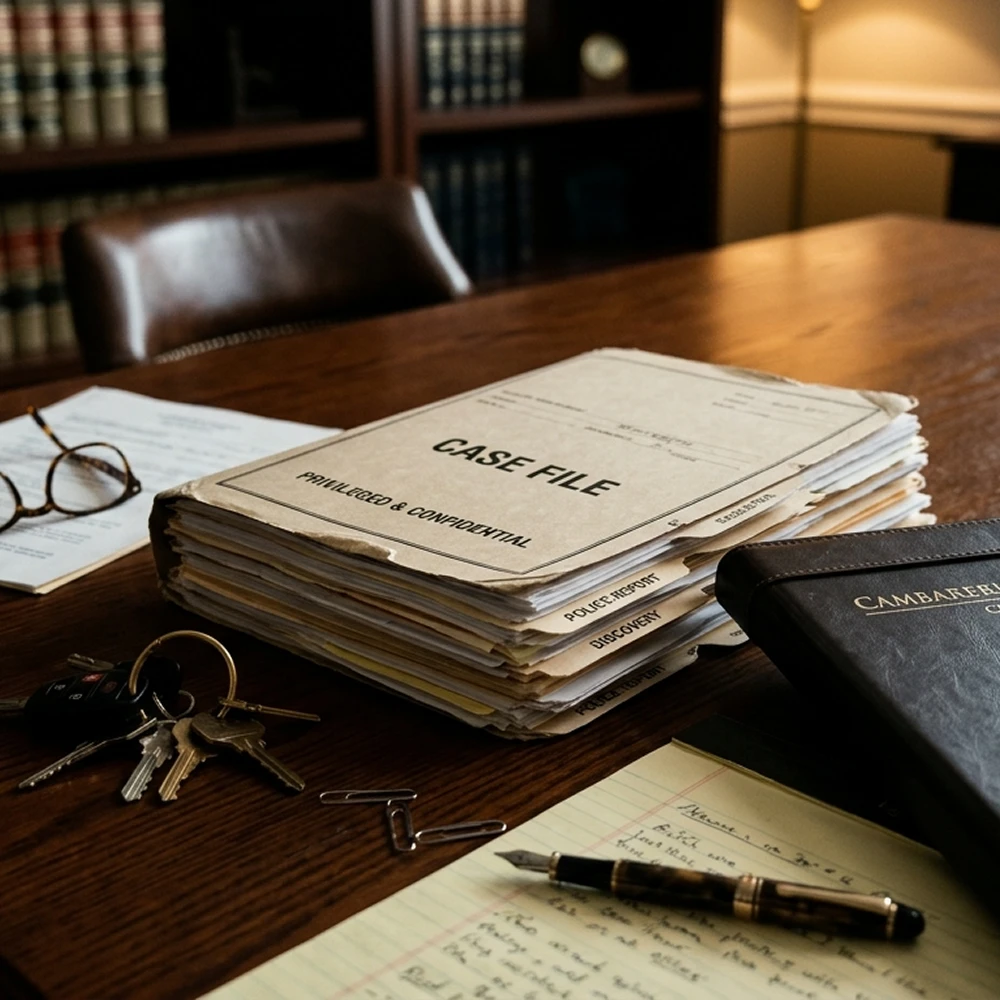
syracuse ny criminal defense case file

Arrested in Syracuse? What to Do Right Now

01

Should I talk to the police?

No. Politely say, “I am going to remain silent, and I want a lawyer.” Then stop talking. Anything you say can be used against you, even if you think it helps. Police can legally mislead you during questioning. Once you ask for a lawyer, questioning should stop. Call a criminal defense attorney before you give any statement, written or recorded.

02

Do I have to let police into my home?

Usually not. Police generally need a warrant, your consent, or an emergency to enter your home. Ask to see the warrant. If they don’t have one, say clearly, “I do not consent to a search.” Do not block the door or physically resist. If police searched without a valid warrant or consent, your attorney can ask the court to suppress what they found.

03

Do I have to let police talk to my family?

No one in your family has to answer police questions. Relatives often try to help and end up giving statements that hurt your case. Tell your family they can say, “We won’t answer questions without a lawyer,” and call us. We can advise them on their rights, too.

04

What should I do in the first 24 hours after an arrest?

Write down what happened while it’s fresh: times, places, officers’ names and any witnesses. Save texts, receipts and videos. Don’t post about the case on social media. Don’t contact the alleged victim, especially if a judge issued an order of protection. Then call a criminal defense attorney so someone can appear with you at arraignment.

05

Can the charges be dropped?

Yes, it happens. Charges can be dismissed, reduced or resolved with an adjournment in contemplation of dismissal (ACD). It depends on the evidence, how police got it, and your record. A former prosecutor can often see early which charges are weak. That is why we review the paperwork, body camera video and lab results before you decide anything.
new york weapons possession felony vs misdemeanor charges 1

How Our Criminal Defense Attorneys Test the Prosecution's Case

In every case, we check whether:

  • Police had a legal reason to stop, search or arrest you (Fourth Amendment; CPL Art. 710 suppression)
  • Your statements were voluntary and given after proper Miranda warnings
  • The prosecution turned over all evidence on time under CPL Art. 245 discovery
  • The speedy trial clock under CPL §30.30 ran out
  • Identification procedures (lineups, photo arrays) were fair
  • Lab results, chain of custody and forensic testing hold up
  • Body camera, 911 calls and surveillance video match the police report
  • Witnesses have reasons to be wrong, mistaken or biased

Felony vs Misdemeanor: New York Crime Classes and Penalties

In New York, a crime is either a misdemeanor or a felony. A misdemeanor can bring up to 364 days in jail. A felony can bring more than one year in state prison. A violation, like disorderly conduct, is not a crime (Penal Law §10.00)
Swipe to see all columns →
New York crime classes and maximum penalties
Offense level Example charges Max jail or prison (first offense) Max fine Statute
ViolationHarassment 2nd, disorderly conduct15 days$250PL §§70.15(4), 80.05(4)
Class B misdemeanorCriminal trespass 3rd, some harassment charges3 months$500PL §§70.15(2), 80.05(2)
Class A misdemeanorAssault 3rd, petit larceny, criminal mischief 4th364 days$1,000PL §§70.15(1), 80.05(1)
Class E felonyGrand larceny 4th, some criminal mischiefUp to 4 years$5,000 or double the gainPL §§70.00, 80.00
Class D felonyAssault 2nd, burglary 3rd, robbery 3rdUp to 7 years$5,000 or double the gainPL §§70.00, 70.02
Class C felonyBurglary 2nd, robbery 2ndUp to 15 years$5,000 or double the gainPL §§70.00, 70.02
Class B felonyAssault 1st, burglary 1st, robbery 1stUp to 25 years$5,000 or double the gainPL §§70.00, 70.02
Class A felonyMurder 2nd, top-level drug saleUp to life—PL §70.00

Maximums only. Many cases end with probation, a conditional discharge, a reduced charge or a dismissal. Violent felonies (PL §70.02) and prior felony convictions carry mandatory prison minimums. Probation can last up to 3 years for a misdemeanor and up to 5 years for a felony.

 When you qualify, we push for outcomes that keep a conviction off your record: an ACD (CPL §170.55), youthful offender status for people charged at ages 16 to 18 (CPL Art. 720), or a diversion or treatment program. Drug-related cases may qualify for judicial diversion; see our drug possession defense page.

Felony and Misdemeanor Charges We Defend in Syracuse

Our criminal defense attorneys handle every level of charge, from a first-time misdemeanor in a town court to a violent felony indictment in Onondaga County Court. These are the charges we see most often that don’t have their own page yet.

Assault charges

Assault 3rd degree (PL §120.00) is a Class A misdemeanor. Assault 2nd (PL §120.05) is a Class D violent felony, often charged when a weapon is involved, the injury is serious, or the person hurt is a police officer or other protected worker. Assault 1st (PL §120.10) is a Class B violent felony. Common defenses include self-defense (justification, PL Art. 35), no “physical injury” as the law defines it, and mistaken identity. Scott Brenneck prosecuted assault cases in the Felony Trial Unit, so he knows how these files are built.

Domestic violence charges

New York has no single “domestic violence” crime. Police charge assault, harassment, menacing, strangulation (PL §121.11–121.13) or criminal mischief, and the case is flagged as a family offense. At arraignment the judge will usually issue an order of protection, which can force you out of your home right away. Breaking that order is a separate crime; see our criminal contempt defense page. Early action on the order matters.

Robbery charges

Robbery is forcible stealing. Robbery 3rd (PL §160.05) is a Class D felony. Robbery 2nd (PL §160.10) is a Class C felony and covers cases with an accomplice, an injury or a displayed weapon. Robbery 1st (PL §160.15) is a Class B felony. Robbery 2nd and 1st are violent felonies with mandatory prison if convicted. Identification evidence and video are often the weakest points, and we test both.

Burglary charges

Burglary means entering or staying unlawfully in a building intending to commit a crime inside. Burglary 3rd (PL §140.20) is a Class D felony. Burglary 2nd (PL §140.25) usually involves a home and is a Class C violent felony. Burglary 1st (PL §140.30) is a Class B violent felony. The key question is often intent: being somewhere you shouldn’t be is not, by itself, burglary.

Probation violations

If you’re accused of violating probation, the judge holds a hearing under CPL §410.70. The prosecution only needs to prove the violation by a “preponderance of the evidence,” which is a lower standard than at trial. If the violation is proven, the judge can re-sentence you on the original charge, including jail. We work to keep you on probation by showing the full picture: treatment, work and your progress.

How a Criminal Case Moves Through Syracuse Courts

Where your case starts depends on where you were arrested. Arrests inside the City of Syracuse go to Syracuse City Court. Arrests in the towns go to the local town or village court, such as Clay, Salina, Cicero, DeWitt, Manlius or Camillus. Felony cases that are indicted move up to Onondaga County Court

01

Arrest or appearance ticket.

Police either hold you for arraignment or give you a desk appearance ticket with a court date (CPL §150.10)

02

Arraignment.

You hear the charges and enter a not-guilty plea. The judge decides release, bail or conditions under CPL Art. 510 and may issue an order of protection. Have your attorney with you.

03

Felony complaint or grand jury

For a felony, the DA must present the case to a grand jury for an indictment (CPL Art. 190). You may have the right to testify, and timing rules apply if you’re held in custody (CPL §180.80)

04

Discovery.

The prosecution must turn over police reports, video, lab results and witness information under CPL Art. 245

05

Motions and hearings.

We ask the court to suppress illegally obtained evidence or statements and to dismiss weak charges.

06

Plea, dismissal or trial.

Most cases end with a dismissal, a reduced charge or a negotiated plea. If the offer isn’t fair, we’re ready to try the case to a judge or jury.

Court reference:

  • Syracuse City Court (Criminal Part): 505 South State Street, Syracuse, NY 13202
  • Onondaga County Court and Supreme Court:
  • Onondaga County Courthouse, 401 Montgomery Street, Syracuse, NY 13202
  • Onondaga County Justice Center (booking and holding): 555 South State Street, Syracuse, NY 13202
  • Town and village courts: Clay, Salina, Cicero, DeWitt, Manlius, Camillus, Town of Onondaga, Lysander and Van Buren (Baldwinsville)
  • Outside Onondaga County: Auburn City Court and Cayuga County Court; Oswego City Court and Oswego County Court

What a Conviction Can Cost You Beyond the Sentence

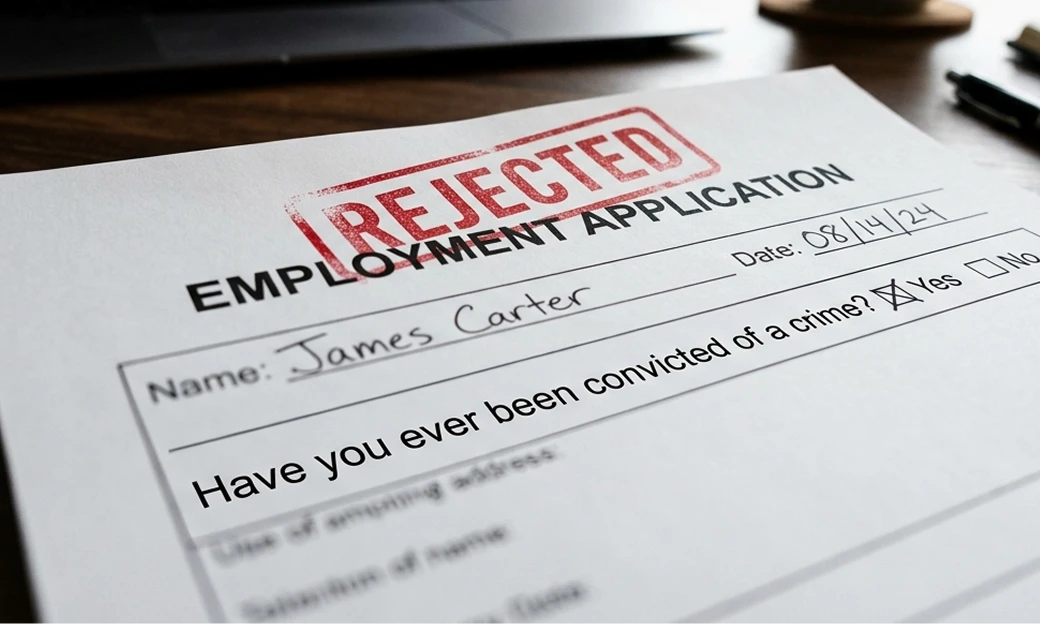
A criminal record can follow you long after the case ends. Before you plead guilty to anything, your attorney should explain how it could affect:
consequences of criminal conviction syracuse ny

Your job and professional license.

Employers and licensing boards can ask about convictions, though NY Correction Law Art. 23-A limits unfair denials

Immigration status.

Some pleas, even misdemeanors, can lead to deportation or block a green card. Non-citizens should get advice before any plea.

Gun rights

A felony, and some misdemeanors, can bar you from owning a firearm or holding a pistol permit (PL §400.00)

Your driver’s license.

Some convictions carry a license suspension or revocation.

School and housing

Colleges, financial aid offices and landlords may run background checks.

Your record later.
New York’s Clean Slate Act (CPL §160.57) seals many eligible convictions automatically after a waiting period, and CPL §160.59 lets you apply to seal up to two convictions. Dismissed cases are sealed under CPL §160.50

Results From Our Attorneys' Work

Acquittal at trial

People v. D.B.: a jury acquitted our client on two counts of first-degree rape.

Conviction reversed and dismissed

People v. Conley: the conviction was reversed and the case dismissed.

Sentence reduced from 140-to-life

People v. Mayette: a 140-years-to-life sentence was reduced to 20-to-life

Wrongful conviction overturned

Anthony Broadwater: exonerated decades after a wrongful conviction, followed by a $5.5 million settlement. Read more on our criminal appeals page.
Prior results do not guarantee a similar outcome.

WHY CHOOSE US

Why Hire a Former Prosecutor as Your Criminal Defense Attorney

We Know the Other Side

All five of our attorneys served in the Onondaga County DA's Office. We know how charges are built and where they break

Trial and Appeal on One Team

Our team includes trial attorneys, an appellate lawyer and a retired Appellate Division justice. Your case is built to win at trial and on appeal.

Downtown, Steps From the Courts

Our office is at 300 South State Street in downtown Syracuse, close to City Court and County Court.

Free Consultation

Talk with an attorney about your case at no cost. Call 315-424-8326 or send the form.

AREAS WE SERVE

Criminal Defense Attorney for Syracuse and Onondaga County

We defend people charged in Syracuse City Court, Onondaga County Court and the town and village courts across Onondaga County. We also take cases in Cayuga and Oswego counties

Syracuse, NY

Downtown office at 300 South State Street. Cases in Syracuse City Court and Onondaga County Court.

Onondaga County towns

Clay, Salina, Cicero, DeWitt, Manlius, Camillus, Onondaga and Baldwinsville town and village courts.

Auburn (Cayuga County)

Auburn City Court and Cayuga County Court.

Oswego (Oswego County)

Oswego City Court and Oswego County Court.

FAQS

Criminal Defense Attorney FAQs

syracuse criminal defense lawyer courtroom

What does a criminal defense attorney do?

A criminal defense attorney represents you after an arrest or during an investigation. Your attorney appears with you in court, reviews the police reports and evidence, challenges illegal stops and searches, negotiates with the prosecutor, and tries the case if needed. The goal is the best possible result: a dismissal, a reduced charge or an acquittal.

The cost depends on the charge, the court, and whether the case goes to trial. A town court misdemeanor usually costs less than a felony indictment in Onondaga County Court. Cambareri & Brenneck offers a free consultation, so you can learn your options and the fee before you decide. Call 315-424-8326.

As soon as possible, ideally before you talk to police and before your arraignment. Early on, an attorney can argue for your release, protect you from making statements, preserve video before it’s deleted, and sometimes keep a case from being charged as a felony. Waiting until after a plea offer limits your options.
The difference is the possible sentence. A misdemeanor carries up to 364 days in jail. A felony carries more than one year in state prison. Felonies are Classes A through E, and misdemeanors are Classes A and B. A felony conviction also has bigger long-term effects, such as losing gun rights.
Arraignment is your first court appearance. The judge reads the charges, you plead not guilty, and the judge decides whether you’re released, released with conditions, or held on bail. The judge may also issue an order of protection. City arrests are arraigned in Syracuse City Court; town arrests go to the local town court.
A desk appearance ticket (DAT) is a written notice from police to appear in court on a set date instead of being held for arraignment. It is still a criminal charge. If you miss the date, the judge can issue a warrant. Call an attorney before your court date so you don’t walk in alone.
An ACD, or adjournment in contemplation of dismissal, puts your case on hold, usually for six months. If you stay out of trouble and follow any conditions, the case is dismissed and sealed. It is not a guilty plea. ACDs are common for first-time misdemeanor charges (CPL §170.55).
Often, yes. Dismissed cases and ACDs are sealed. Under the Clean Slate Act, many eligible convictions are sealed automatically after three years for misdemeanors and eight years for felonies, counted from release or sentencing. You can also apply to seal up to two convictions after ten years.
Not usually, but it depends on the charge. Many first-offense misdemeanors end with a dismissal, an ACD, a fine or probation. Violent felonies can carry mandatory prison, even for a first offense. Your record, the facts, and how strong the evidence is all matter. An attorney can tell you your real risk after reviewing the file.
Most cases start in the court for the place where the arrest happened. An arrest in Clay, Salina, Cicero, DeWitt, Manlius or Camillus goes to that town court. Auburn and Oswego arrests go to their city courts. Felony indictments move up to the county court. We appear in all of these courts.

Reviewed by Scott A. Brenneck, Partner, former Onondaga County Assistant District Attorney. Last updated: [publish date]

CONTACT US

Talk to a Criminal Defense Attorney Today

Charged with a crime in Syracuse or Central New York? Tell us what happened and when your court date is. A former prosecutor on our team will call you back. Your first consultation is free.

Phone Number

Email

Location

Attorney Advertising. Sending this form does not create an attorney-client relationship. Information on this page is general and is not legal advice. Prior results do not guarantee a similar outcome.