

Criminal Contempt Attorney in Syracuse, NY
A criminal contempt attorney defends you when police say you broke a court order, most often an order of protection. In New York, that charge can be a misdemeanor or a felony. Cambareri & Brenneck, PLLC is a Syracuse, NY criminal defense firm founded by former Onondaga County prosecutors. Call 315-424-8326 for a free consultation.
Message Your Team
IN THE NEWS






Violation of Order of Protection Lawyers Who Used to Prosecute These Cases
One text, one call or one knock on the door can lead to an arrest. What you do next matters.
In New York, breaking a court order is a crime called criminal contempt. Most cases start with an order of protection: a judge orders you to stay away from someone, or to “refrain” from harassing or threatening them. Police say you broke that order, and you are arrested, often the same day. The charge can be criminal contempt in the second degree, a misdemeanor, or criminal contempt in the first degree or aggravated criminal contempt, which are felonies.
These cases move fast and they escalate. At arraignment, the judge will usually issue a new, often stricter temporary order of protection. That can keep you out of your own home and away from your children while the case is open. A second conviction within five years can turn the next accusation into a felony.
Cambareri & Brenneck is made up of former Onondaga County prosecutors. We know how these cases are charged in Syracuse because we used to make those decisions. Scott A. Brenneck prosecuted assault, burglary, robbery and weapons cases in the District Attorney’s Felony Trial Unit. Today we use that experience to test the order, the service, the evidence and the accuser’s story, and to push for the order to be changed so you can get back to your life

Arrested for violating an order of protection? Do these five things now
01
Obey the order, even now.
02
Even if they contact you, don’t answer.
03
Stay silent with police.
Be polite, but don’t explain. What you say becomes evidence. (Read more: why speaking to police without a lawyer is risky.)
04
Save everything
05
Call 315-424-8326. (New to the process? See what to do after a criminal arrest in Syracuse.)

What is criminal contempt in New York?
What counts as violating an order of protection?
What if the protected person contacted me first?
What does the prosecution have to prove?
Can I be convicted on the other person's word alone?
Yes, it is possible. New York law does not require corroboration in a contempt case, so a judge or jury can convict on one witness they believe. That is why the defense focuses on credibility. We check the accuser’s story against phone records, messages, location data, video and other witnesses, and we look for motives such as a custody fight, a divorce or a breakup. Many contempt cases fall apart when the records don’t match the complaint.

How Our Criminal Contempt Lawyers Fight the Charge
A contempt case turns on the order, the service and the proof. We test each one:
Was the order valid and in effect? Orders expire, get modified and get replaced. We pull the exact order from the court file and check its dates and terms.
Were you served, or were you in court? The People must show you knew about the order. Missing or defective service is a real defense.
Did the order actually bar what you did? A refrain-from order does not bar peaceful contact. Vague terms are read in your favor.
Was the contact intentional? Running into someone at Destiny USA or a child’s game is not the same as seeking them out. Accidental or incidental contact may not be a crime.
Who contacted whom? Phone records, screenshots and app data often show the protected person reached out first or kept the conversation going.
Do the facts support a felony? Felony counts need extra proof: threats, physical contact with intent to harass, injury, damage over $250 or a qualifying prior conviction. We challenge each one to get the case back to a misdemeanor or out of court.
Statements and searches. We look for statements taken without Miranda warnings and for phone searches without a warrant, and move to suppress them.
Speedy trial and discovery. We hold the People to their discovery duties and speedy-trial deadlines.

Criminal Contempt 2nd Degree, 1st Degree and Aggravated Criminal Contempt: Penalties in New York
| Criminal contempt 2nd degree | Criminal contempt 1st degree | Aggravated criminal contempt | |
|---|---|---|---|
| Statute | PL §215.50 (usually subd. 3) | PL §215.51 | PL §215.52 |
| Class | Class A misdemeanor | Class E felony | Class D felony |
| What it usually means | Intentionally disobeying a court order | Breaking an order of protection plus threats, a deadly weapon, stalking-type conduct, repeated calls, physical contact with intent to harass, damage over $250, or a stay-away violation with a contempt conviction in the last 5 years | Breaking an order of protection and causing physical injury, or a new felony contempt after a prior aggravated or recent first-degree conviction |
| Maximum jail or prison | Up to 364 days in jail | Up to 1⅓–4 years in state prison | Up to 2⅓–7 years in state prison |
| Probation instead of jail | Up to 3 years | 3 to 5 years | 3 to 5 years (if allowed) |
| Maximum fine | $1,000 | $5,000 | $5,000 |
| Order of protection after conviction | Up to 5 years beyond the sentence | Up to 8 years beyond the sentence | Up to 8 years beyond the sentence |
| Criminal record | Misdemeanor conviction | Felony conviction | Felony conviction |
Sources: Penal Law Article 215 (NYS PL criminal contempt); PL §§70.00, 70.15, 65.00, 80.00, 80.05; CPL §530.12(5). Aggravated criminal contempt may be sentenced as a violent felony. Judges can also order programs, community service or a conditional discharge. This table is general information, not legal advice about your case.
Types of Order of Protection Violations in Syracuse
Full (stay-away) vs. limited (refrain-from) orders
Temporary vs. final orders
Criminal court orders vs. Family Court orders
Criminal contempt in the second degree (PL §215.50)
Criminal contempt in the first degree (PL §215.51)
Aggravated criminal contempt (PL §215.52)
A class D felony. It applies when an order of protection violation causes physical injury or serious physical injury to the protected person, or when a person with certain prior contempt convictions is charged again. It is often charged with assault. See our felony and misdemeanor defense page for domestic violence charges that come with contempt.
Violating an ERPO or a gun-surrender order
Keeping or buying a gun in violation of an extreme risk protection order or a firearm surrender order can also be charged as criminal contempt.
Court date coming up?
How a Criminal Contempt Case Moves Through Syracuse Courts
01
Arrest.
02
Arraignment.
City of Syracuse cases are arraigned in Syracuse City Court, Criminal Part. Arrests in Clay, Salina, Cicero, DeWitt, Manlius, Camillus, Onondaga or the Baldwinsville area start in that town’s justice court. Felony arrests after hours may go to the centralized arraignment part.
03
Release or bail, and a new order.
04
Felony charges.
05
Discovery and motions.
06
Plea talks or trial.
07
Family Court, at the same time.
Outside Onondaga County:
Collateral Consequences of a Criminal Contempt Conviction
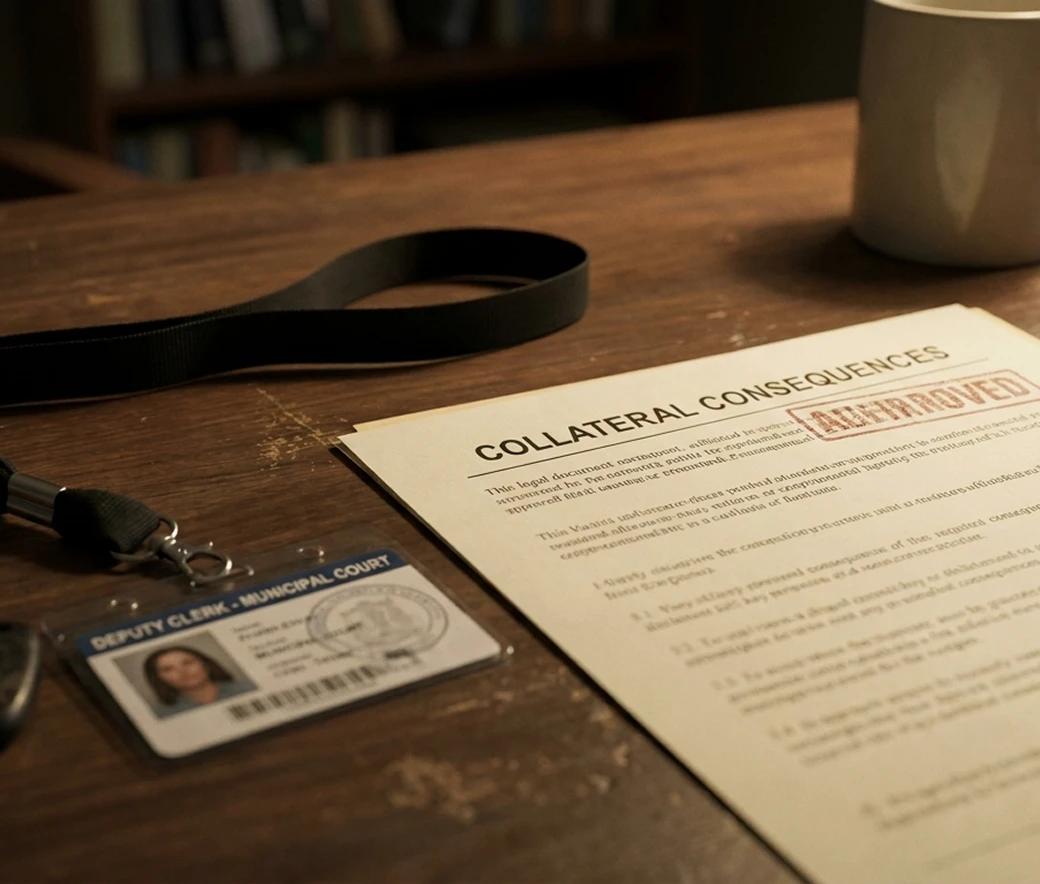
Your home and your kids
A stay-away order can keep you out of your own home and limit time with your children for years. It can also be raised in custody and divorce cases.
Guns and your pistol permit.
Courts can suspend your license and order you to surrender firearms when they issue or enforce an order of protection. Some contempt convictions can block a permit later. Related: gun and weapons charge defense.
A path to felony.
Immigration.
Jobs and licenses.
Sealing is limited
MEET THE TEAM
Meet Your Criminal Contempt Defense Team

Scott A. Brenneck
Partner, Attorney

Steve Cambareri
Partner

Joe Centra, Esq.
Attorney

Melissa K. Swartz
Attorney

Hon. John V. Centra (Ret.)
Special Counsel
Retired Appellate Division justice, now leading firm mediation.
WHY CHOOSE US
Why Hire Former Prosecutors as Your Criminal Contempt Lawyer
Former Onondaga County Prosecutors
We used to make charging and plea decisions in these cases. Now we use that insight on your side
We Read the Order First
Many contempt cases turn on the exact words of the order and how it was served. We start there.
Criminal and Family Court Together
We coordinate the criminal case with any Family Court violation petition so one doesn't hurt the other.
Free, Confidential Consultation
Call 315-424-8326 or send a message. Bring your order and your court papers.
AREAS WE SERVE
Criminal Contempt Defense in Syracuse & Central New York
Syracuse, NY
Onondaga County towns
Auburn (Cayuga County)
Oswego (Oswego County)
FAQS
Criminal Contempt & Order of Protection FAQs

What is criminal contempt in New York?
What is criminal contempt in the second degree?
When does criminal contempt become a felony in New York?
What happens if you violate an order of protection in New York?
What if the protected person contacted me first or invited me over?
Can I be convicted of criminal contempt on the other person's word alone?
Will I go to jail for criminal contempt in the second degree?
Can a criminal contempt charge be reduced or dismissed?
Can a criminal contempt conviction be sealed in New York?
Do I need a lawyer if the order of protection came from Family Court?
Yes. A Family Court order can lead to two cases at once: a criminal contempt charge in criminal court and a violation petition in Family Court, which can carry up to six months in jail. What you say in one court can be used in the other. Call Cambareri & Brenneck at 315-424-8326 for a free consultation with a former prosecutor.
Reviewed by Scott A. Brenneck, former Onondaga County Assistant District Attorney (Felony Trial Unit). Last updated October 2026.
CONTACT US
Free Confidential Consultation
Charged with criminal contempt? Tell us briefly when you were arrested and the date of your next court appearance. A member of our team will get back to you quickly. You can also call 315-424-8326.
Phone Number
Locations